
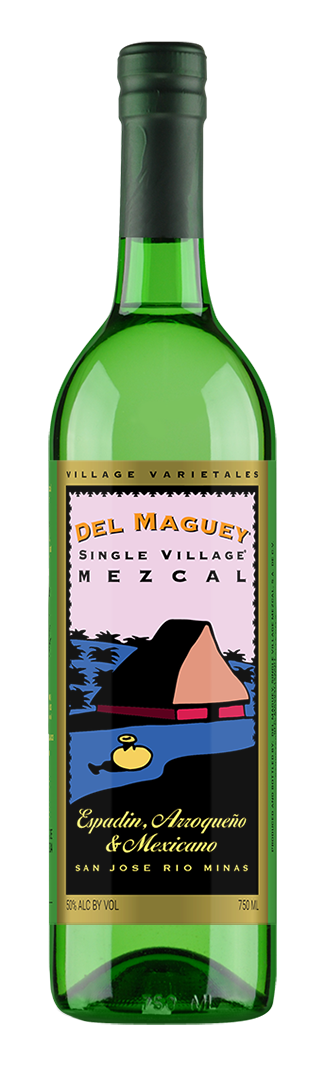
Del Maguey Espadín, Arroqueño & Mexicano Mezcal
The village of San José Río Minas requires traversing high mountains on narrow jagged dirt roads. The palenque has been home to ancestral mezcal production for hundreds of years, due to having a bubbling spring, and a clandestine location in a geographical triangle between Mixteca Alta, Baja, and Sola de Vega. Access to maestro Roberto Gutiérrez's palenque is through a chain link foot bridge over the ahuehuete montezuma cypress) tree lined river below. Here Roberto and his son Benito hand-mash agave in hollowed-out tree trunks called canoas and transform three agave varietals into a multidimensional spirit, that must be enjoyed at at least 50% ABV to reflect its true nature. The water source in this village and palenque is fascinating, and is known for being white water, filled with translucent minerality that refracts in a way that is singular to this particular region.
Flavor Profile
Tasting
Papaya, ripe peaches, roses, violets, eucalyptus, minerality
Papaya and ripe peaches with roses and violets
Violets and hoja santa with eucalyptus and herbal complexity
Multidimensional and long with deep mineral finish
Origin
Remote Northern Mixteca Baja/Sola de Vega
San Jose Rio Minas, Oaxaca
5800 ft
Rocky clay
Espadín, Arroqueño & Mexicano (Agave angustifolia Haw.)
6 to 15 years
The Process
Local family palenque, San José Río Minas
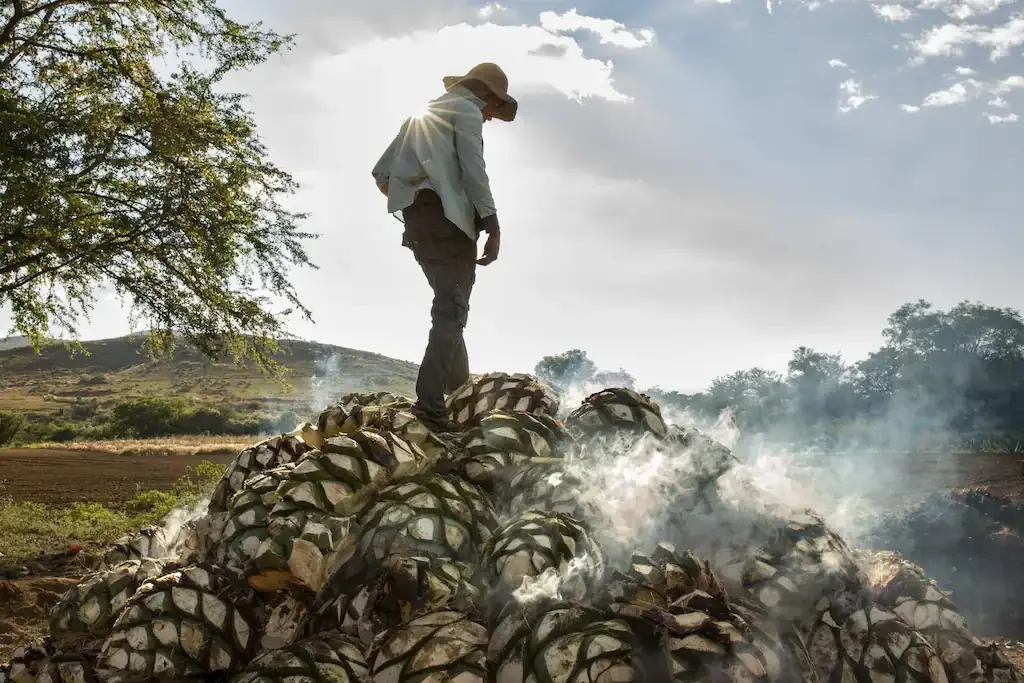
Hand-cut from remote mountain forest after 6 to 15 years
Earthen pits lined with volcanic rock
Wooden mallets by hand in hollow tree trunk canoas · open wooden vats · wild fermentation
What defines this mezcal
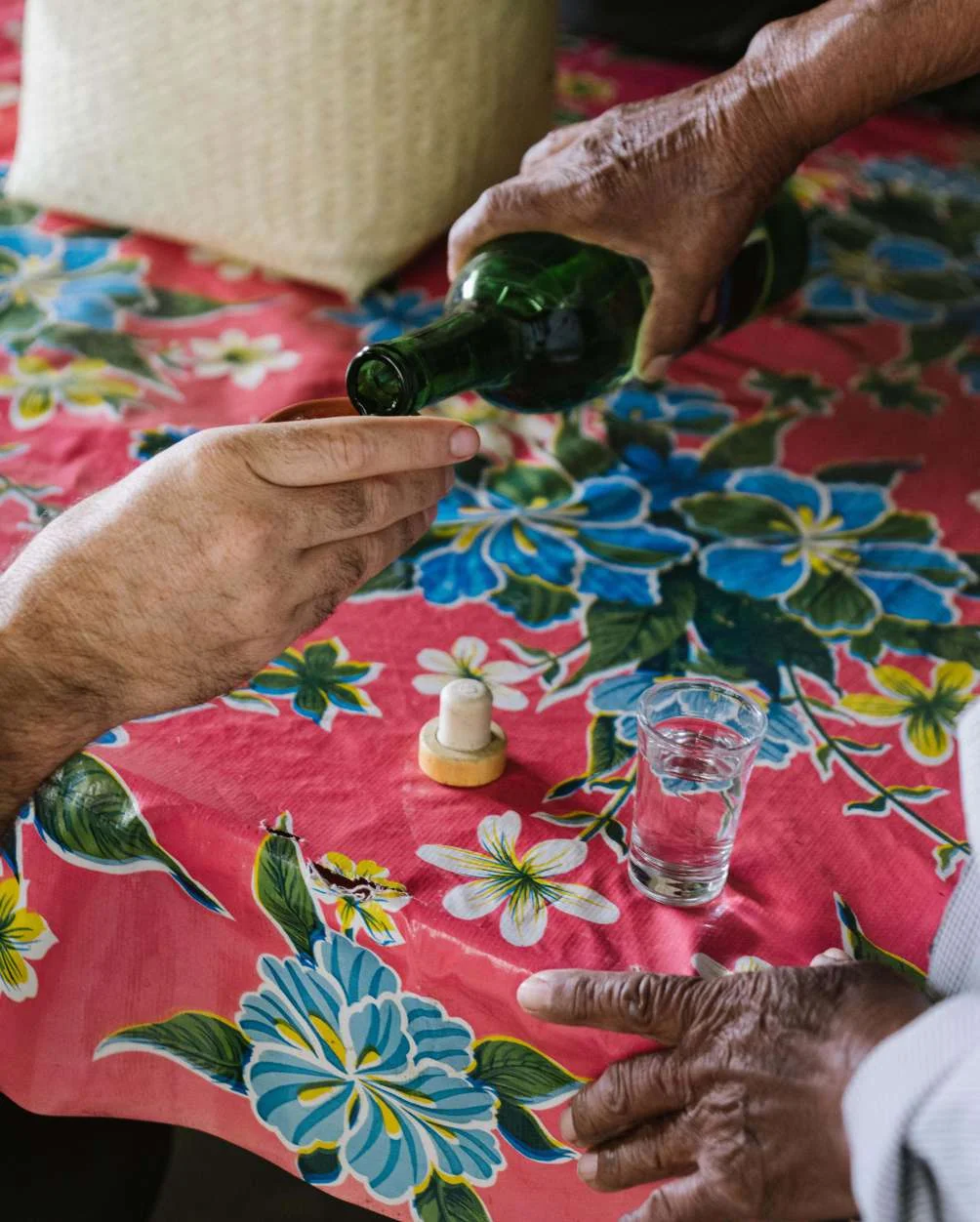
From Mixteca Flowers to Intense Emotion
His mezcal is bright and expressive. It opens with clear notes of Mixteca flowers and herbs, like violets and hoja santa, followed by a clean eucalyptus finish. Don Roberto Gutiérrez works primarily with espadín, producing a mezcal that is precise and lively. It is also intense, shifting easily in tone, much like the village and Don Roberto himself, moving from glee to emotion without warning.
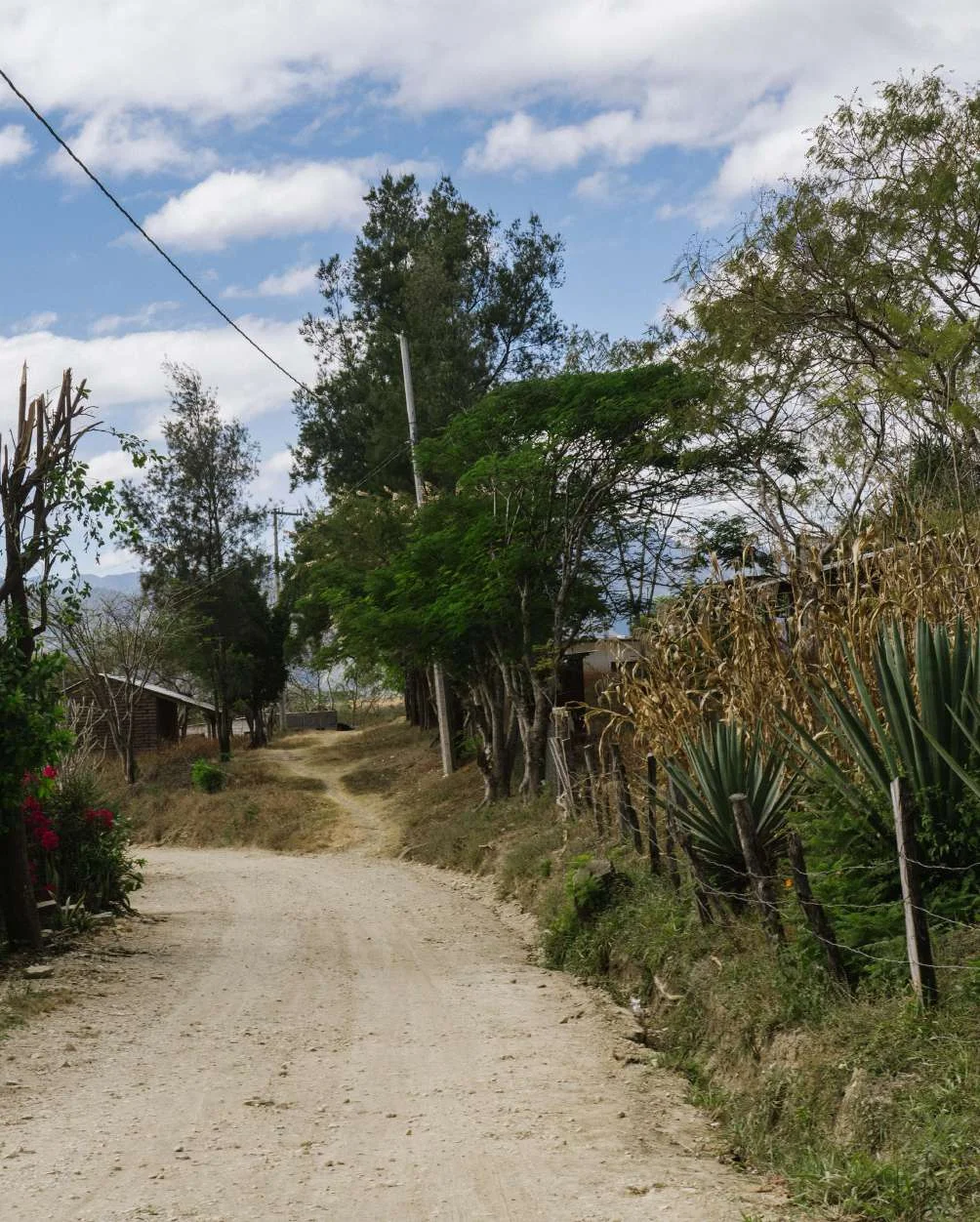
An Improvised, Tiny Town
San José Río Minas is one of the most distant mezcal-producing communities relative to Oaxaca City. The most recent estimates put its population at around 300 people, and it has around fifteen palenques operating in its surroundings, clustering production in an otherwise quiet landscape. It began as an offshoot of Teozacoalco and grew slowly, without a clear founding moment or formal plan. That origin still shows: the town remains small, sparse, and largely self-contained. Life here revolves around mezcal and the surrounding land. Infrastructure is limited, services are few, and production happens at a human scale, shaped by terrain, distance, and the rhythms of the valley.
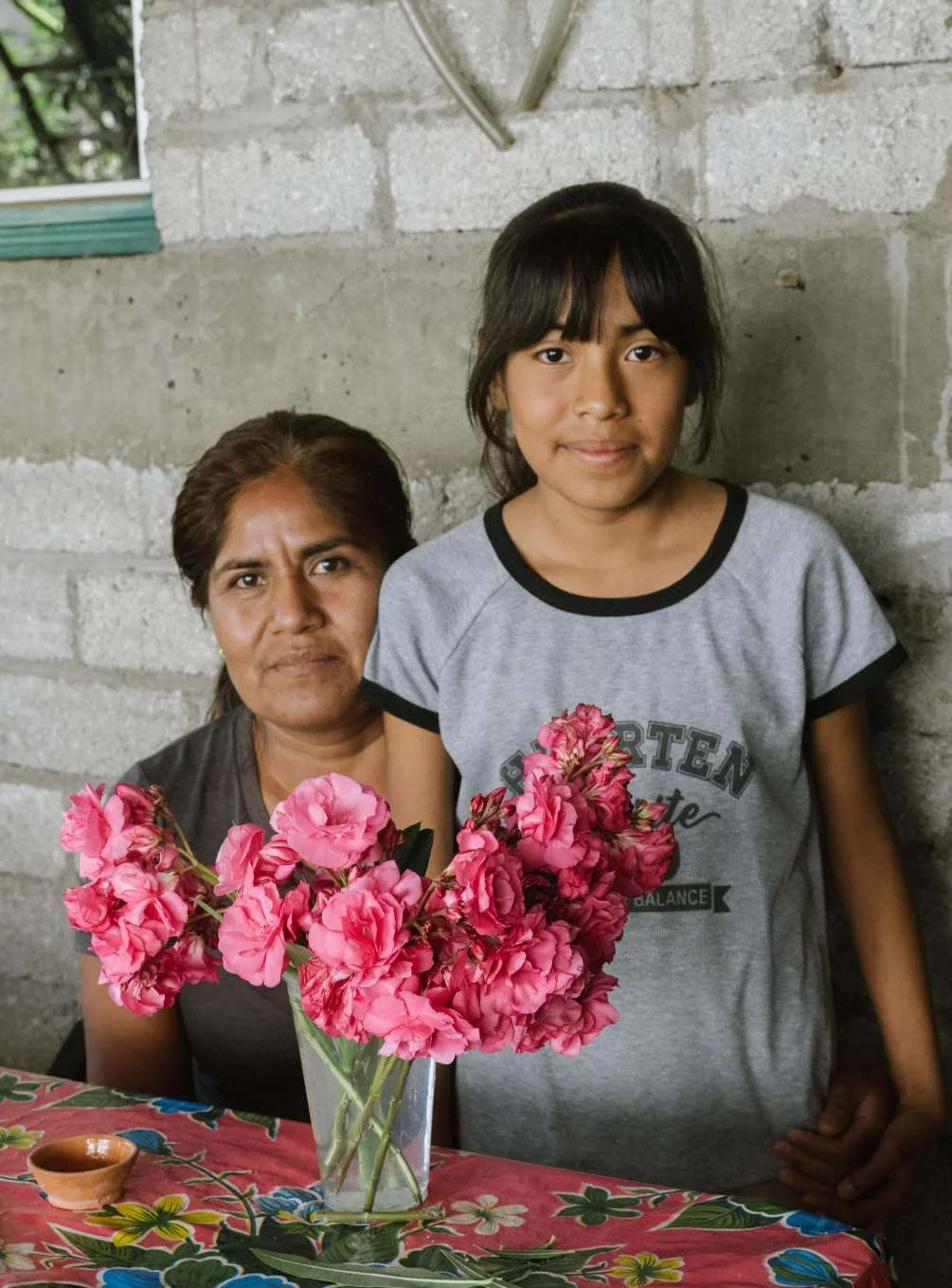
Physical Silence, Lively Emotions
The town feels quiet and intense. Heat settles in and the silence feels physical. But inside Don Roberto’s house, the energy shifts. He receives people with grace and candidness, offering glass-bottled Coca-Colas as a real treat. The welcoming nature is immediate. His daughter-in-law cooks nearby, working the clay kitchen, making tortillas as she goes. Montse, his granddaughter, moves in and out, gathering flowers from the trees in the patio. The men are usually outside, gathering wood or helping with harvests.
Similar mezcales you may enjoy
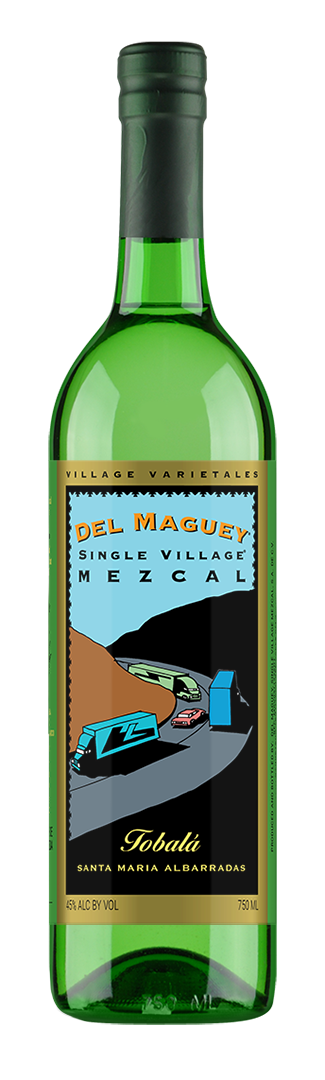
Tobalá
The first wild varietal mezcal ever exported to the United States. Wild Tobalá grows in the shade of oak trees within hi…
45% ABV | 750ml
Mango, cinnamon, moss, earth, florals, minerality
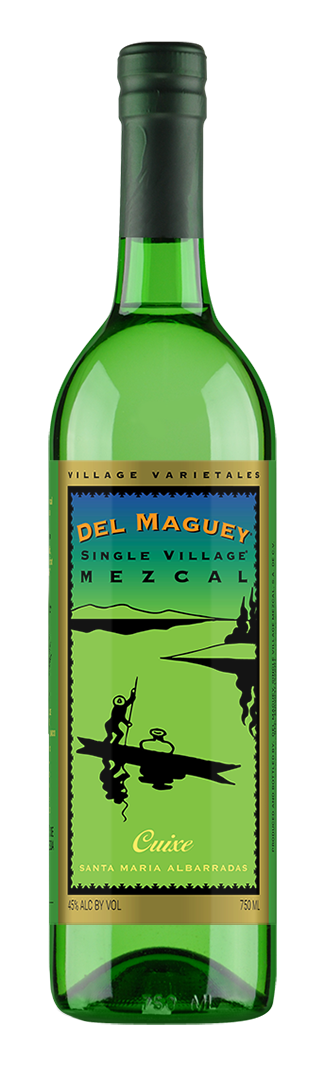
Cuixe
Crafted on a hillside in Santa María Albarradas surrounded by fruit trees and rose bushes. Naturally fermented and twice…
45% ABV | 750ml
Hoja santa, fresh jalapeño, lilac, guava, lychee nut, minerality
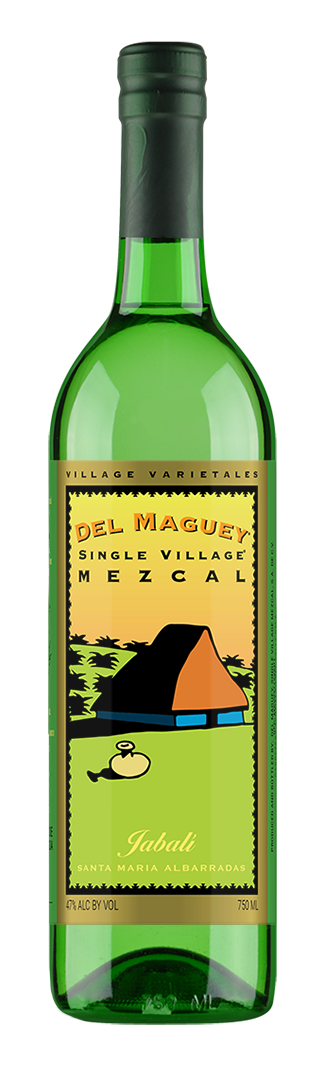
Jabali
Jabalí is rare in the US due to its propensity to foam from high saponin levels during production. Meticulously produced…
47% ABV | 750ml
Figs, apples, star anise, parmesan rind, florals