

Each village
is our inspiration
Guided by local traditions and shaped by its region, every mezcal reflects the land it comes from. The land makes all the difference in how agave tastes.
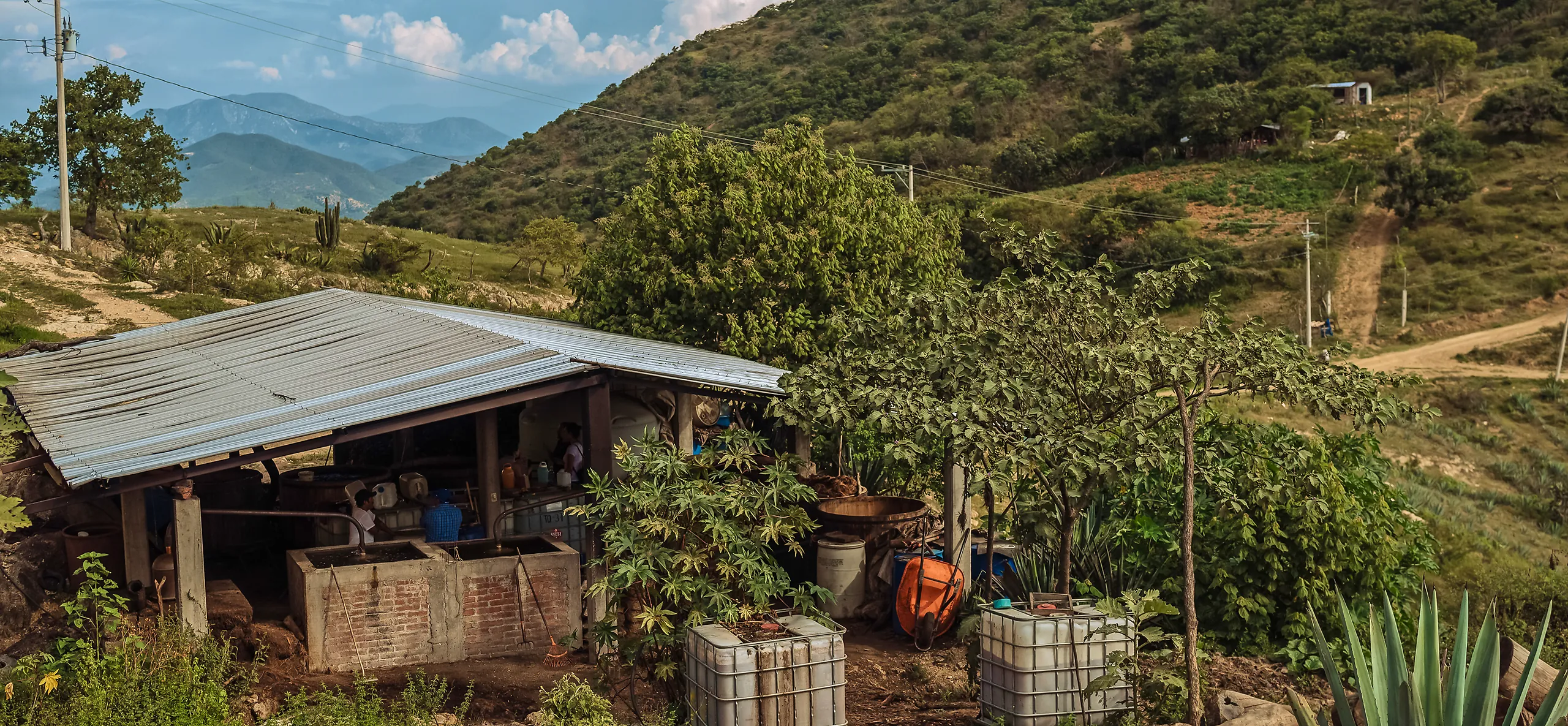
Village by village
Explore the villages that define Del Maguey, one region at a time.
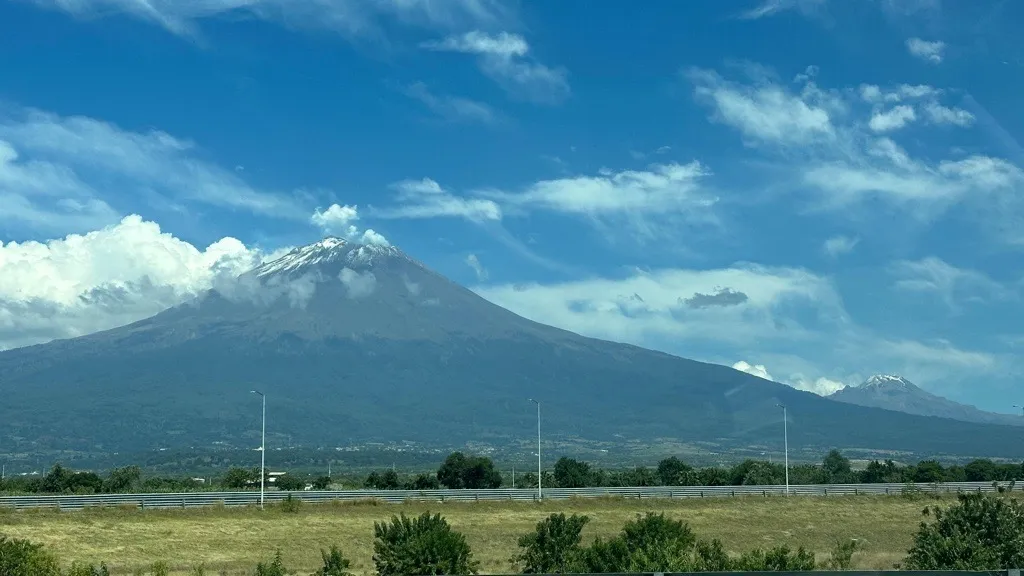
Axocopan, Puebla
At around 1,900 meters above sea level, Axocopan, Puebla, sits in the foothills of the Popocatépetl volcano, where mineral-rich soils, cool mountain air and summer rains shape VIDA Puebla’s fresh, bright character. Made from Espadín agave using traditional artisanal methods, it offers notes of roasted agave, citrus, white peach and candied pine—an approachable introduction to mezcal and a versatile choice for cocktails.
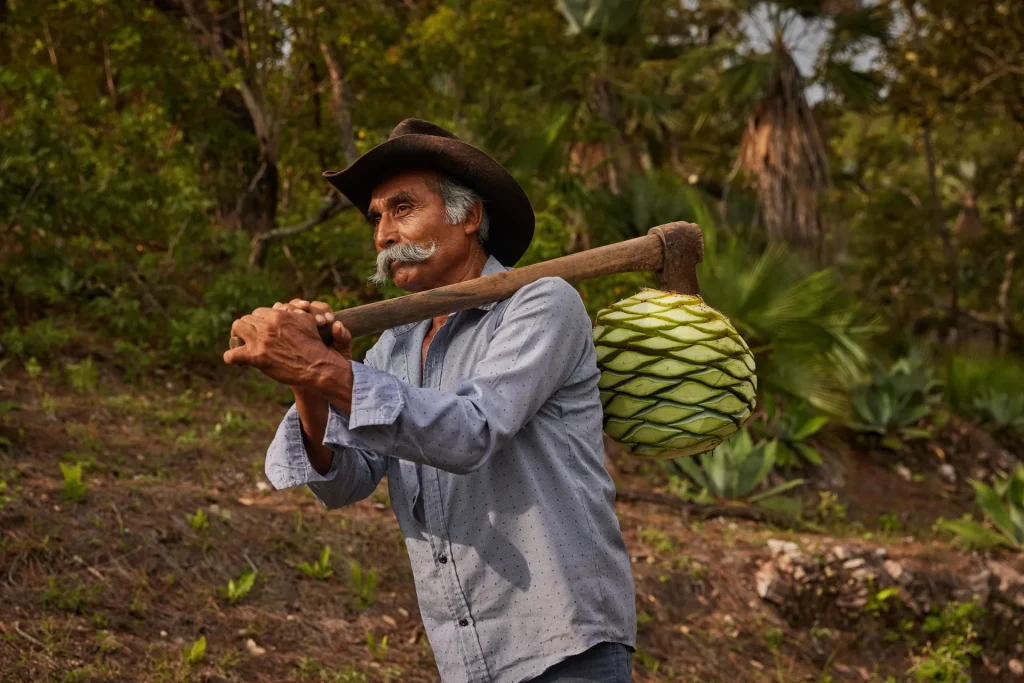
San Pedro Teozacoalco, Oaxaca
San Pedro Teozacoalco lies about three and a half hours from Oaxaca City, in the great mountains and dormant volcanoes of the Mixteca Alta. The road twists through shifting ecosystems: conifer forests, dry desert valleys, and stretches where both overlap, with fan palms, pines, and plump magueyes sharing the same landscape.
The town appears after a final turn. You arrive directly into the plaza, a manicured garden with a kiosko at its center and a white-and-yellow church beside a massive ahuehuete whose trunk feels older than the town itself. The adobe homes are pale yellow, giving the place a clean, bucolic calm. The air perfumed with citrus peel and flowers. Everywhere you hear water.
San Jose Rio Minas, Oaxaca
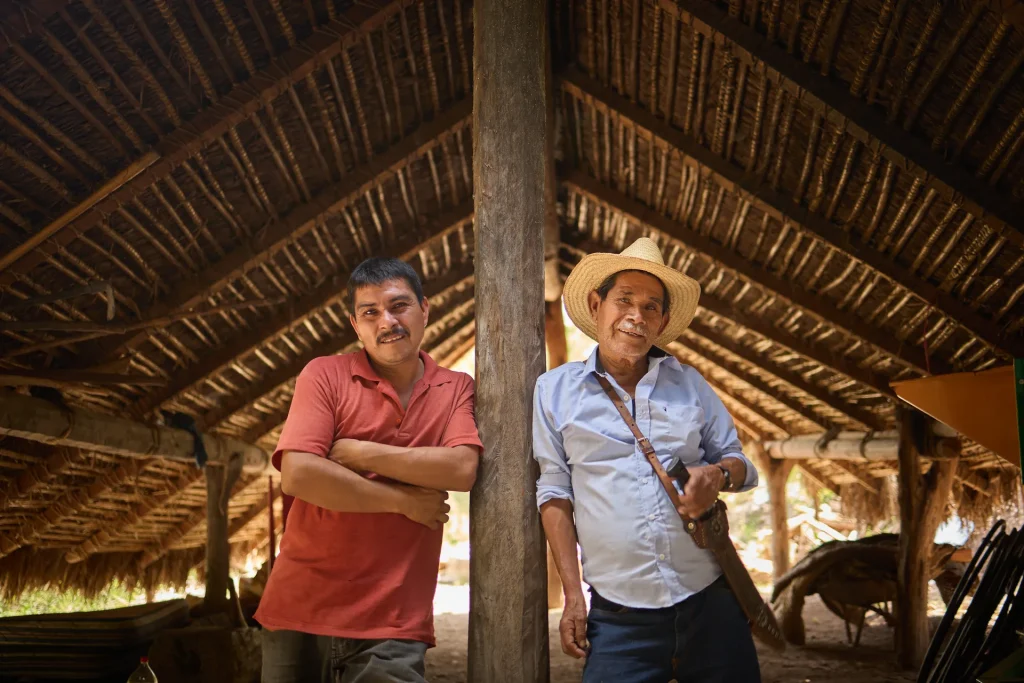
San José Río Minas is a very small village in Oaxaca’s Mixteca Alta. It takes about four hours to get there, but the drive is surreal: it runs through microclimates, milpas, small streams, and wild agave fields as far as the eye can see. The town sits at high altitude but inside a valley, on the edge between the Mixteca and the Sierra Sur.
It has only the basics: a church with a plaza, one school, one basketball court, and a few streets lined with silent houses, many abandoned, with wild flowers pushing through cracked walls. Inside the town there are few trees; but outside, the landscape opens into streams, rivers, corn plots, and forests. There is only one store, also a house, that sells almost everything. A piece of cardboard taped to the door lists the inventory by hand; when something runs out, it gets crossed off. This is where the town buys what it needs. Everything else comes from the land.
Santa Catarina Minas, Oaxaca
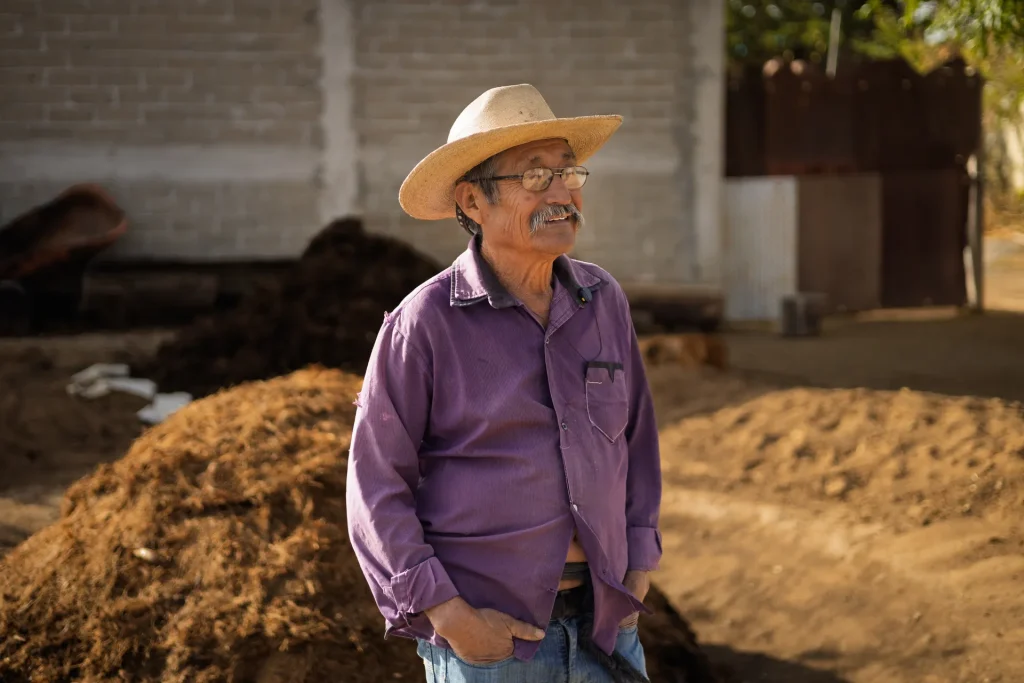
Santa Catarina Minas is clay-pot country, where mezcal is distilled the old way in terracotta. That craft lends a soft, earthy depth found nowhere else.
San Baltazar Chichicapam, Oaxaca
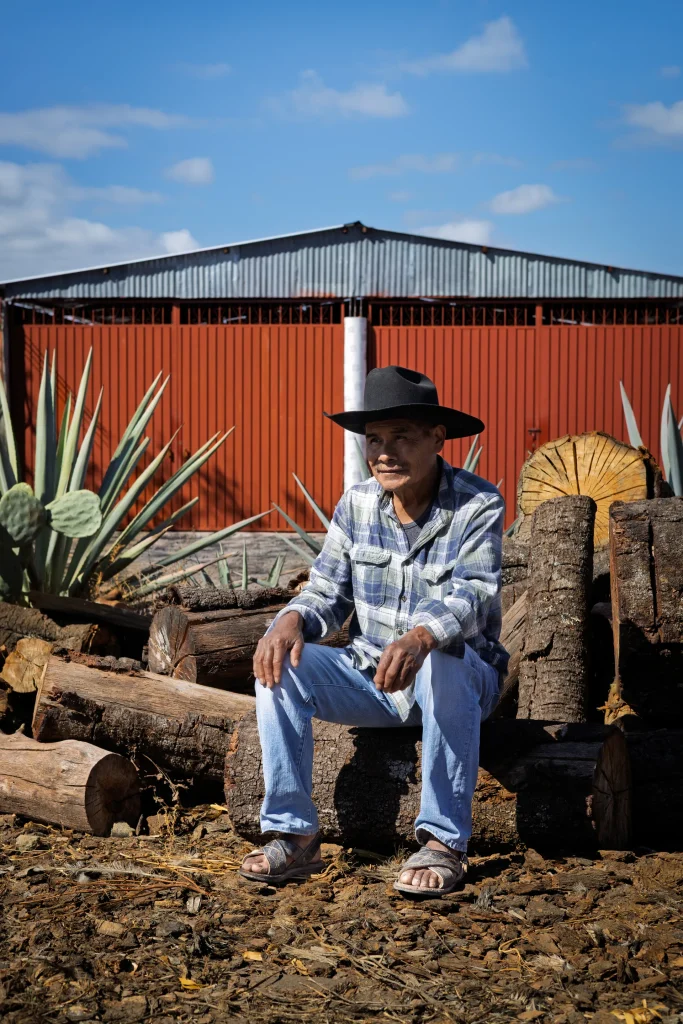
San Baltazar Chichicápam sits on high, rocky ground where the agave matures under intense sun. The result is a bright, structured mezcal with a distinct mineral edge.
Las Milpas, Oaxaca
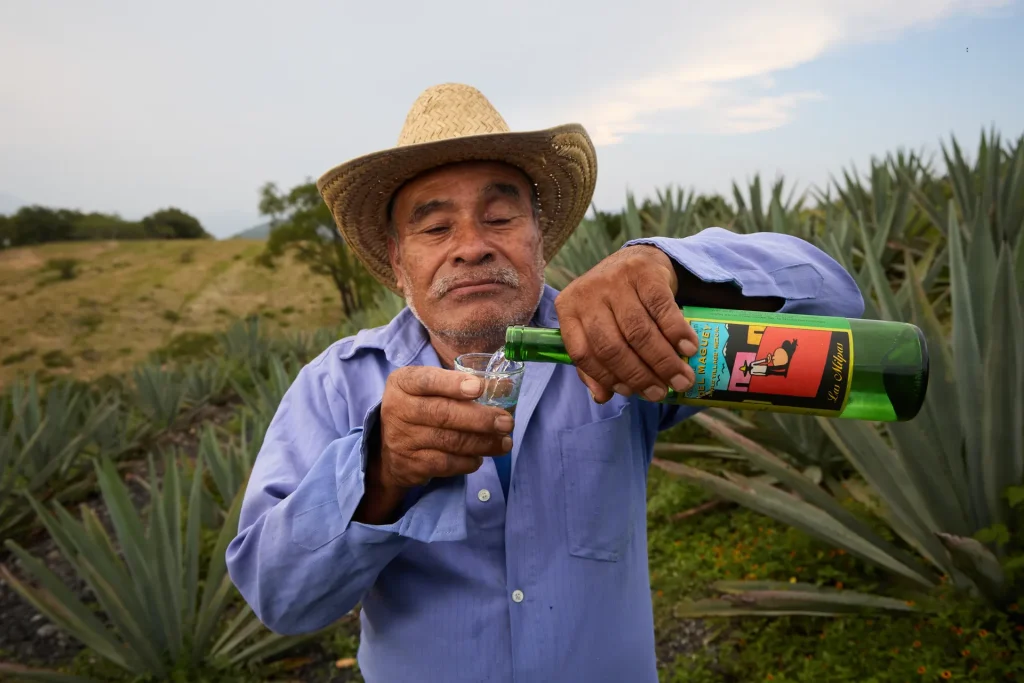
Las Milpas is made from the stuff of fantasy. A dreamy, isolated place some three hours away from Oaxaca City, with only a handful of houses overlooking the rolling hills in the open landscape. It is the only village not named after a Saint, but after the very landscape: The Milpas (The Cornfields). Everything around the Palenque is plots of corn and agave fields, overflown with birds of prey. The air smells fresh and sweet, and daily life is lived in the mellow rhythm of nature.
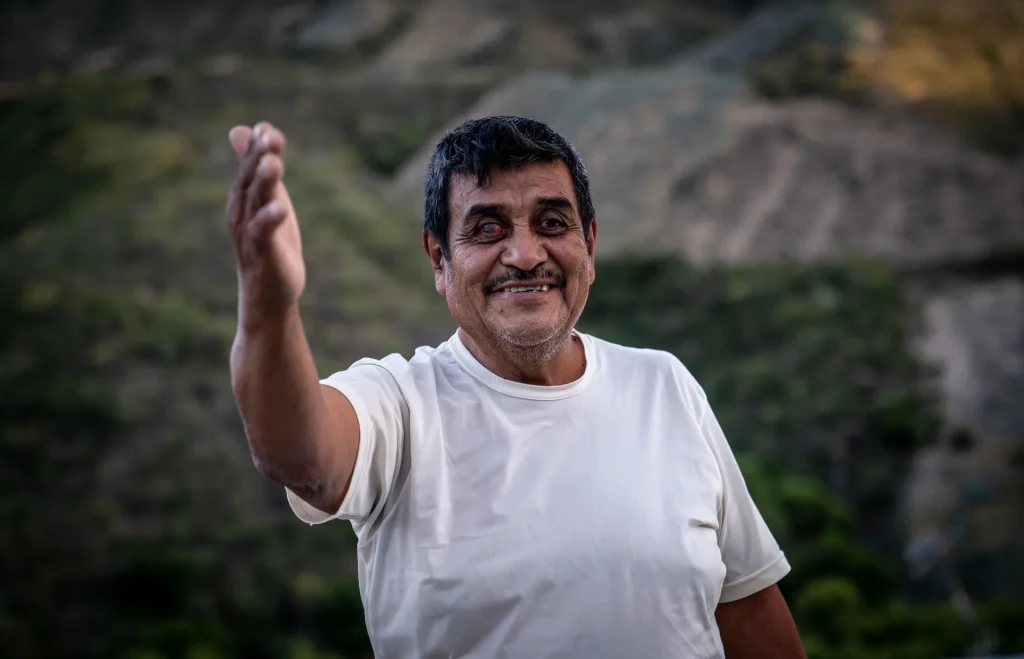
San Luis Del Rio, Oaxaca
San Luis del Río rests in a warm river valley where the water runs year round. Long ripening and rich alluvial soil give this mezcal its round, fruit-forward character.
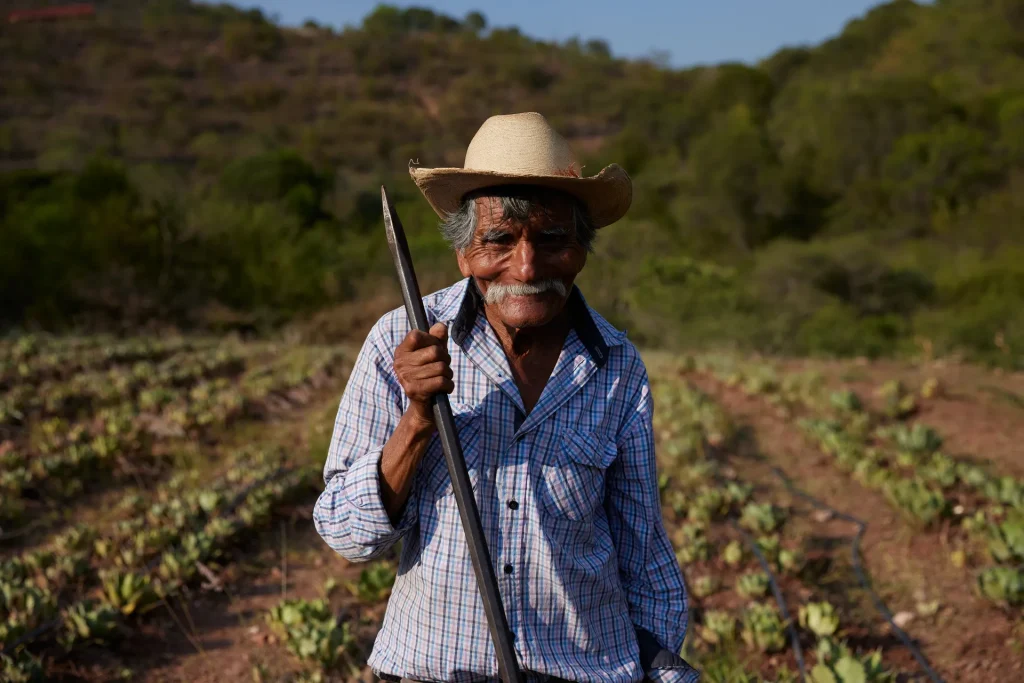
Santa Maria Albarradas, Oaxaca
Santa María Albarradas sits high in the mountains, where Espadín grows slowly in clay-rich soils at elevated altitude. Cool temperatures and mineral ground bring clarity and freshness to the mezcal.
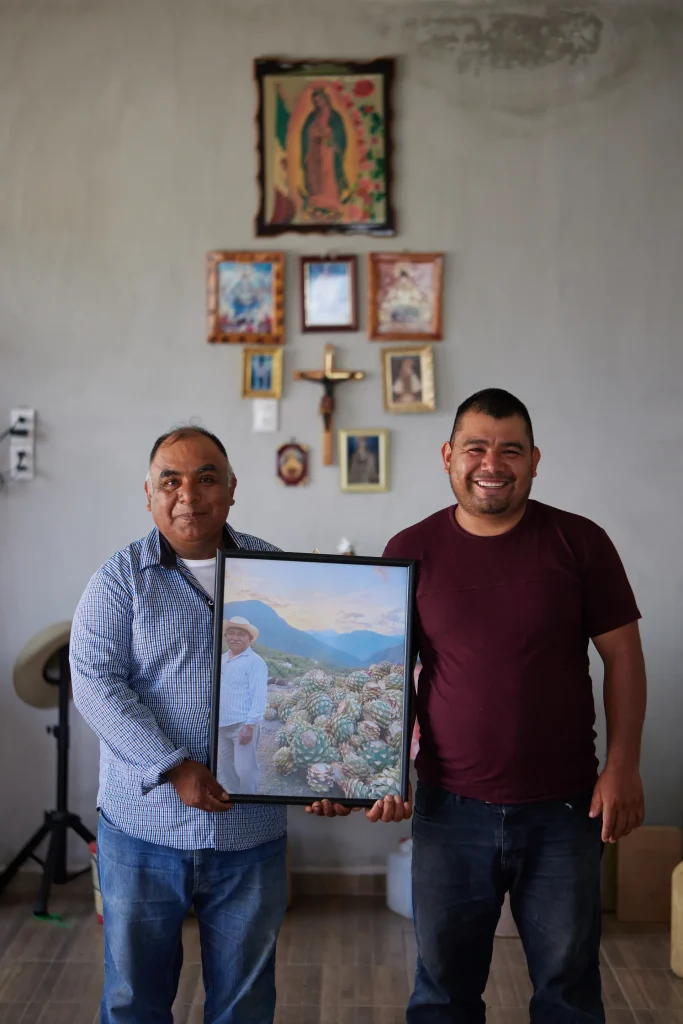
Santo Domingo Albarradas, Oaxaca
After a three-and-a-half-hour drive through forests, climbing up and down the mountains, Santo Domingo Albarradas feels like arriving at a small utopia. The town sits at the end of the road, tucked into a gorge, surrounded by steep green walls. You drive down into it. The air grows humid. This is a high-altitude tropical zone, where moisture lingers and everything feels alive. Vultures glide at eye level, and puppies wander near the road greeting you, as if they’ve always been there.
Mezcales from San Jose Rio Minas
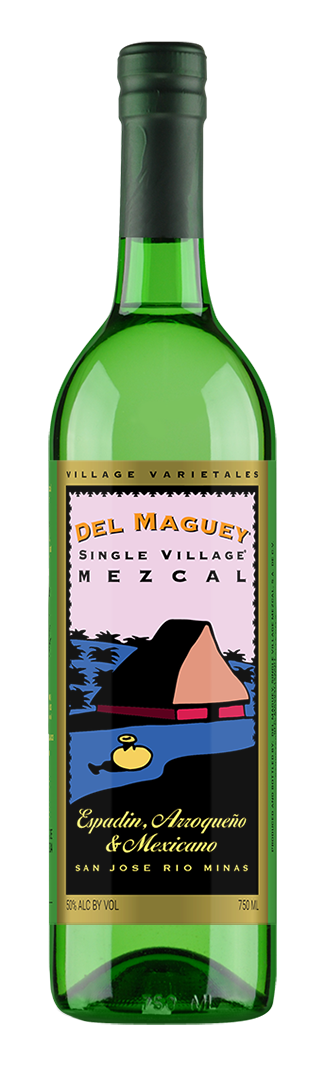
The village of San José Río Minas requires traversing high mountains on narrow jagged dirt roads. The palenque has been…
Mezcales from San Luis Del Rio
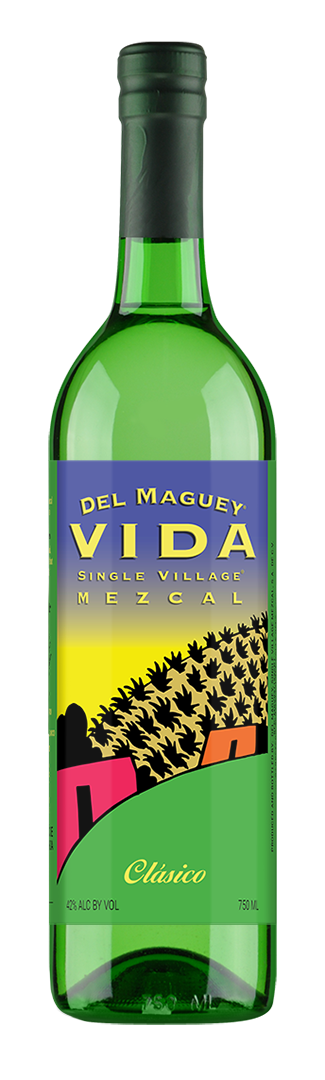
Vida Clásico
Price for Standard Shipping. Price may vary per store. Exclude delivery fees.VIDA Clásico revolutionized the mezcal cocktail scene in 2010 as the first artisanal mezcal crafted specifically for mix…
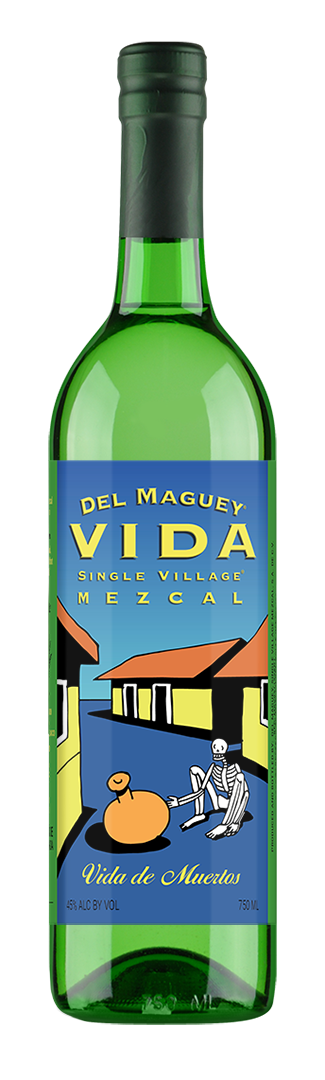
Vida de Muertos
Price for Standard Shipping. Price may vary per store. Exclude delivery fees.A distinctive 45% ABV edition of Espadín crafted by maestro palenquero Paciano Cruz Nolasco in San Luis del Río. This sp…
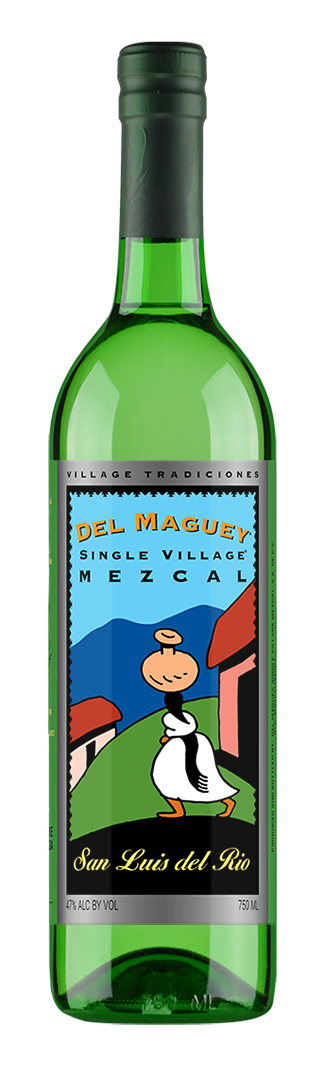
San Luis del Río
Price for Standard Shipping. Price may vary per store. Exclude delivery fees.One of the first two artisanal mezcals introduced to the United States in 1995. Produced by Paciano Cruz Nolasco, Ron Co…
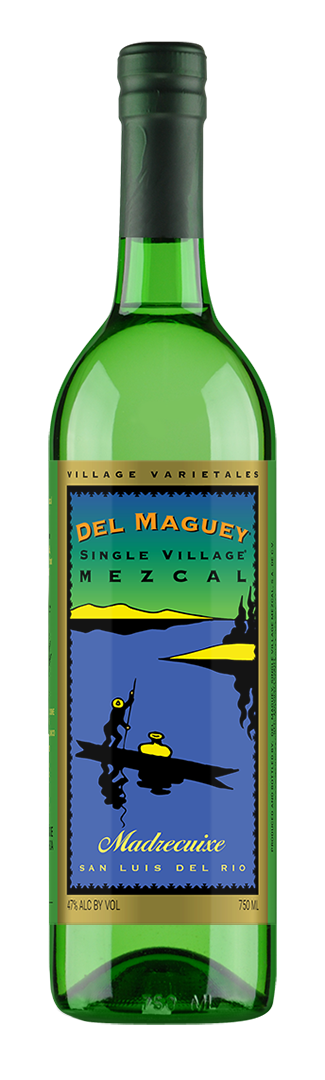
Madrecuixe
Price for Standard Shipping. Price may vary per store. Exclude delivery fees.Crafted by Marcos Cruz Méndez son of Paciano Cruz Nolasco in the verdant seclusion of San Luis del Río where the Red Ant…
Mezcales from San Baltazar Chichicapam
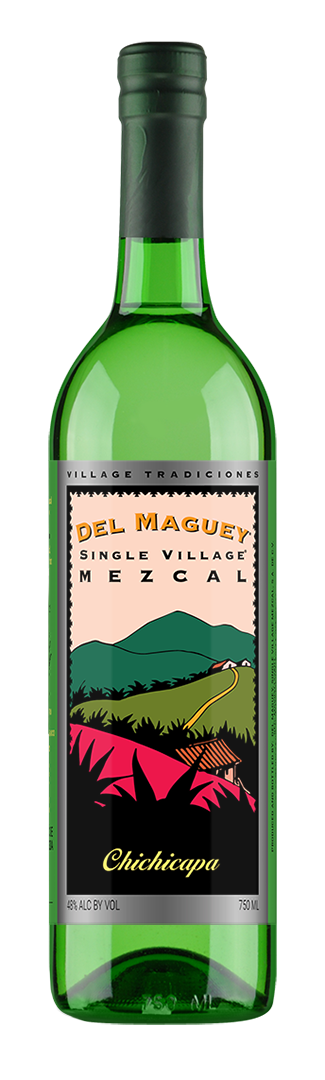
Chichicapa
Price for Standard Shipping. Price may vary per store. Exclude delivery fees.This is the first mezcal that found Ron Cooper, produced with incredible consistency and flavor by Faustino Garcia Vasqu…
Mezcales from Santa Catarina Minas
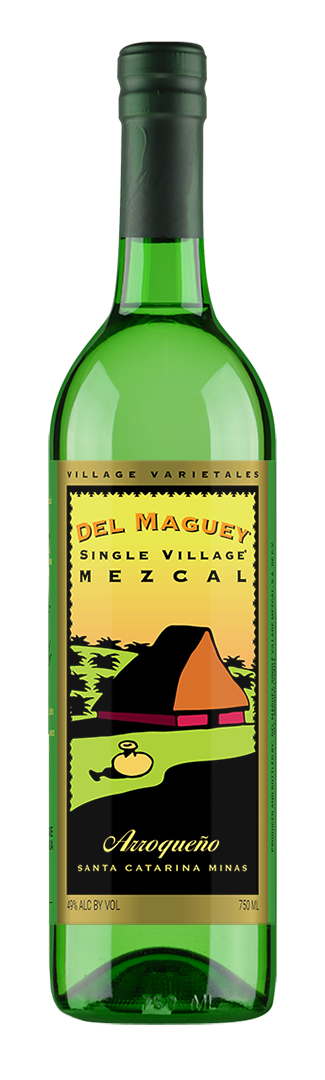
Arroqueño
Price for Standard Shipping. Price may vary per store. Exclude delivery fees.A rare delicacy distilled from semi-wild agave that matures over 18 years. The family roasts the piñas in a conical pit…
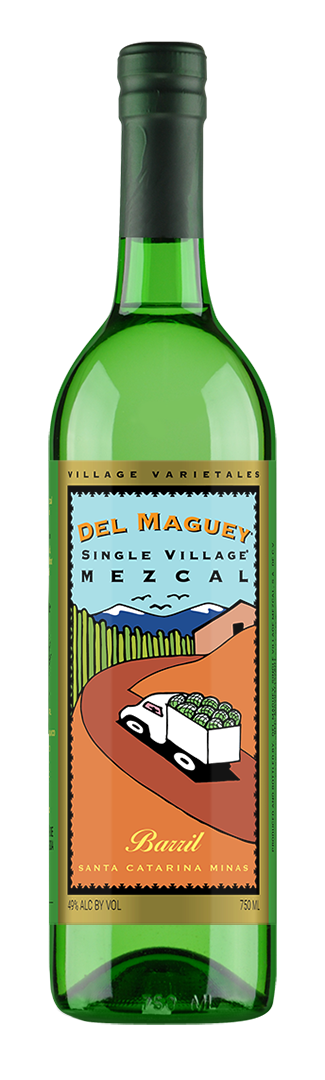
Barril
Price for Standard Shipping. Price may vary per store. Exclude delivery fees.Honouring the extraordinary skill of the late Florencio Don Lencho Laureano Carlos Sarmiento former patriarch of Del Mag…
Mezcales from Santa Maria Albarradas
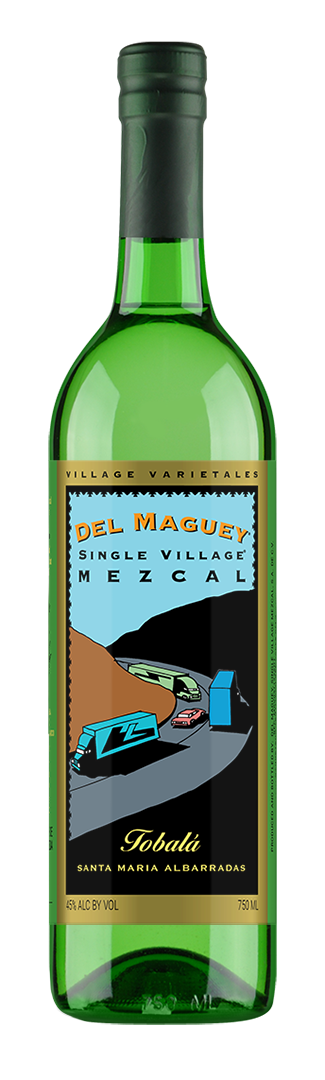
Tobalá
Price for Standard Shipping. Price may vary per store. Exclude delivery fees.The first wild varietal mezcal ever exported to the United States. Wild Tobalá grows in the shade of oak trees within hi…
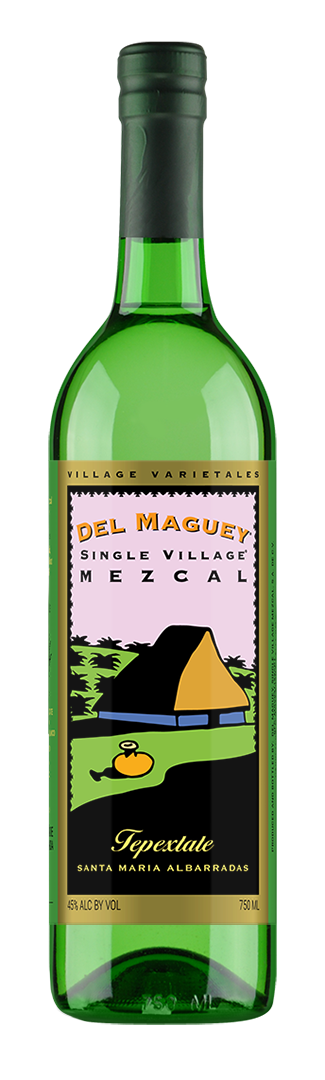
Tepextate
Price for Standard Shipping. Price may vary per store. Exclude delivery fees.Meticulously crafted by Rogelio Martínez Cruz the Tepextate agave matures over 20 to 30 years. Known for its large spira…
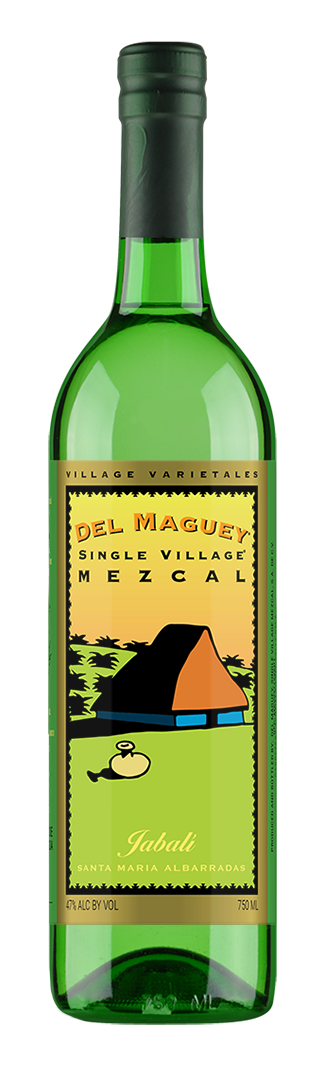
Jabali
Price for Standard Shipping. Price may vary per store. Exclude delivery fees.Jabalí is rare in the US due to its propensity to foam from high saponin levels during production. Meticulously produced…
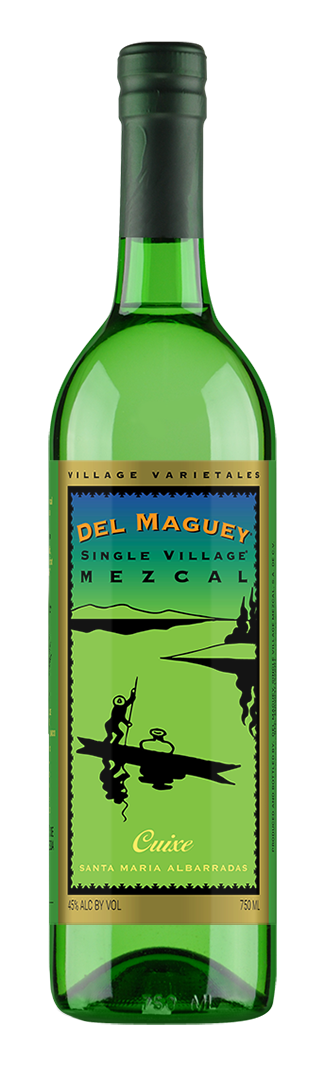
Crafted on a hillside in Santa María Albarradas surrounded by fruit trees and rose bushes. Naturally fermented and twice…
Mezcales from Las Milpas
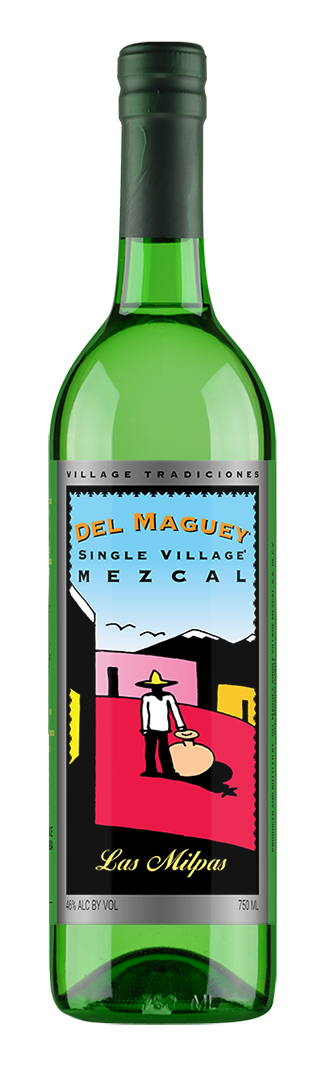
Las Milpas
Price for Standard Shipping. Price may vary per store. Exclude delivery fees.Perched high on the edge between the Oaxacan Central Valleys and the Sierra Sur the Cruz Antonio family roast Espadín ag…
Mezcales from San Pedro Teozacoalco
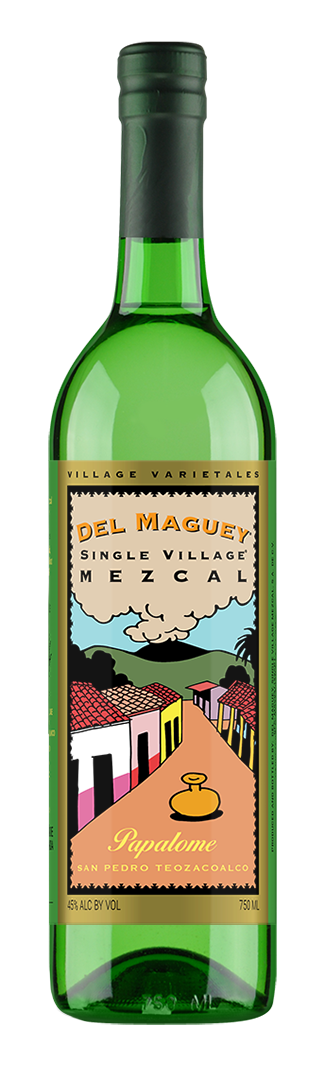
Papalome
Price for Standard Shipping. Price may vary per store. Exclude delivery fees.Named after the Nahuatl word for butterfly, for it´s broad leaves, agave papalometl thrives in the tropical Mixteca Alta…
Mezcales from Santo Domingo Albarradas
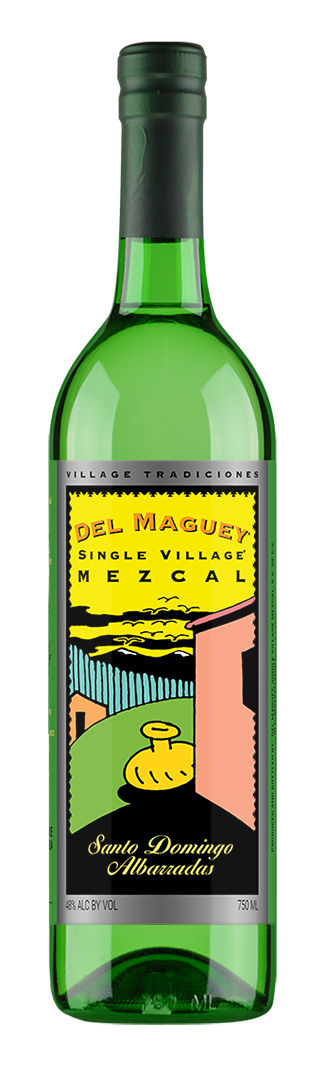
Santo Domingo Albarradas
Price for Standard Shipping. Price may vary per store. Exclude delivery fees.Tucked into the final outpost of Central Valley Zapotec culture before rising into the indomitable high-altitude tropica…
