
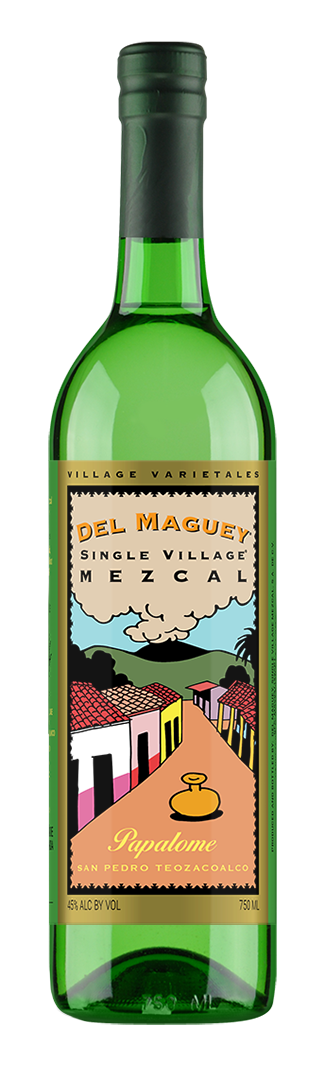
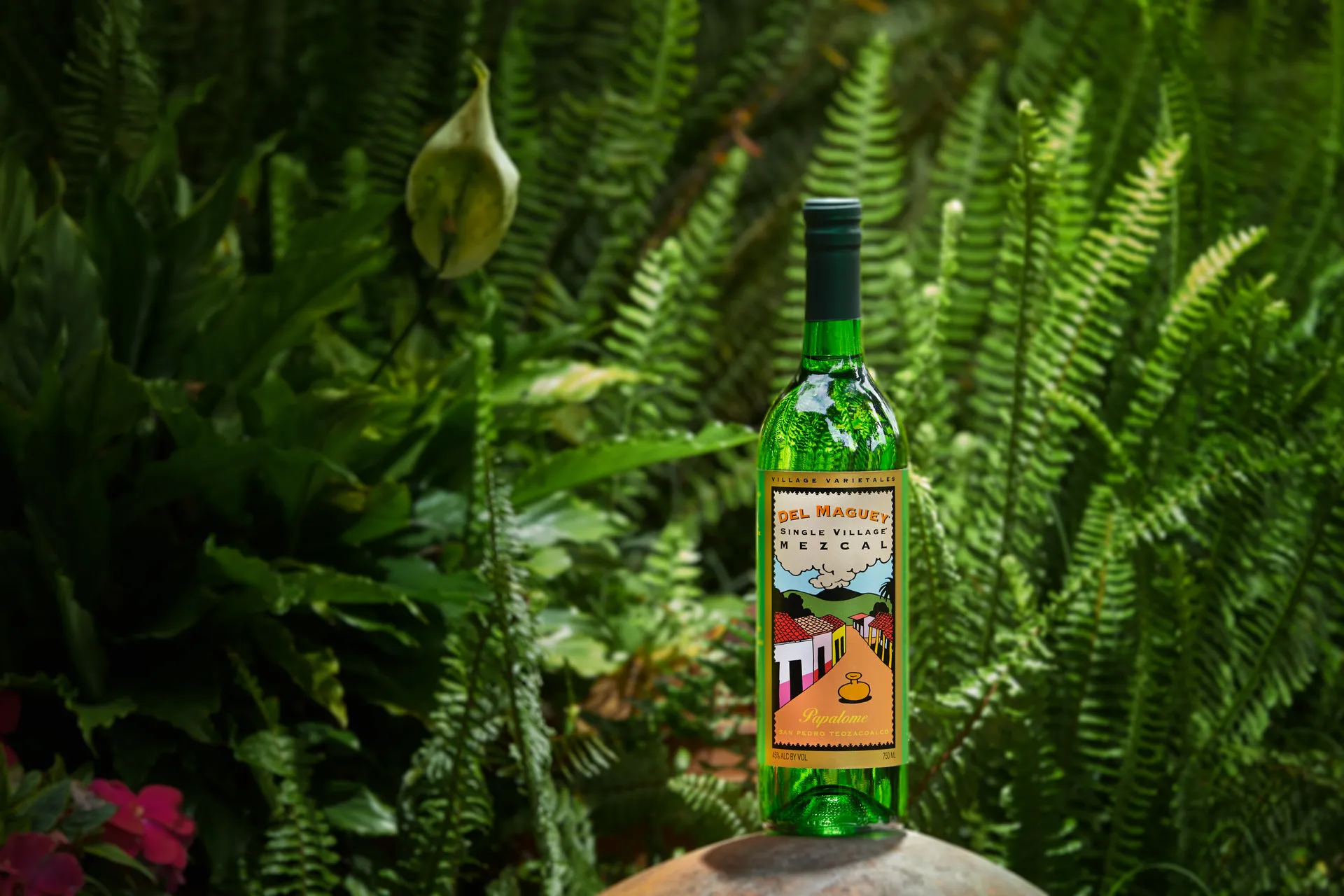
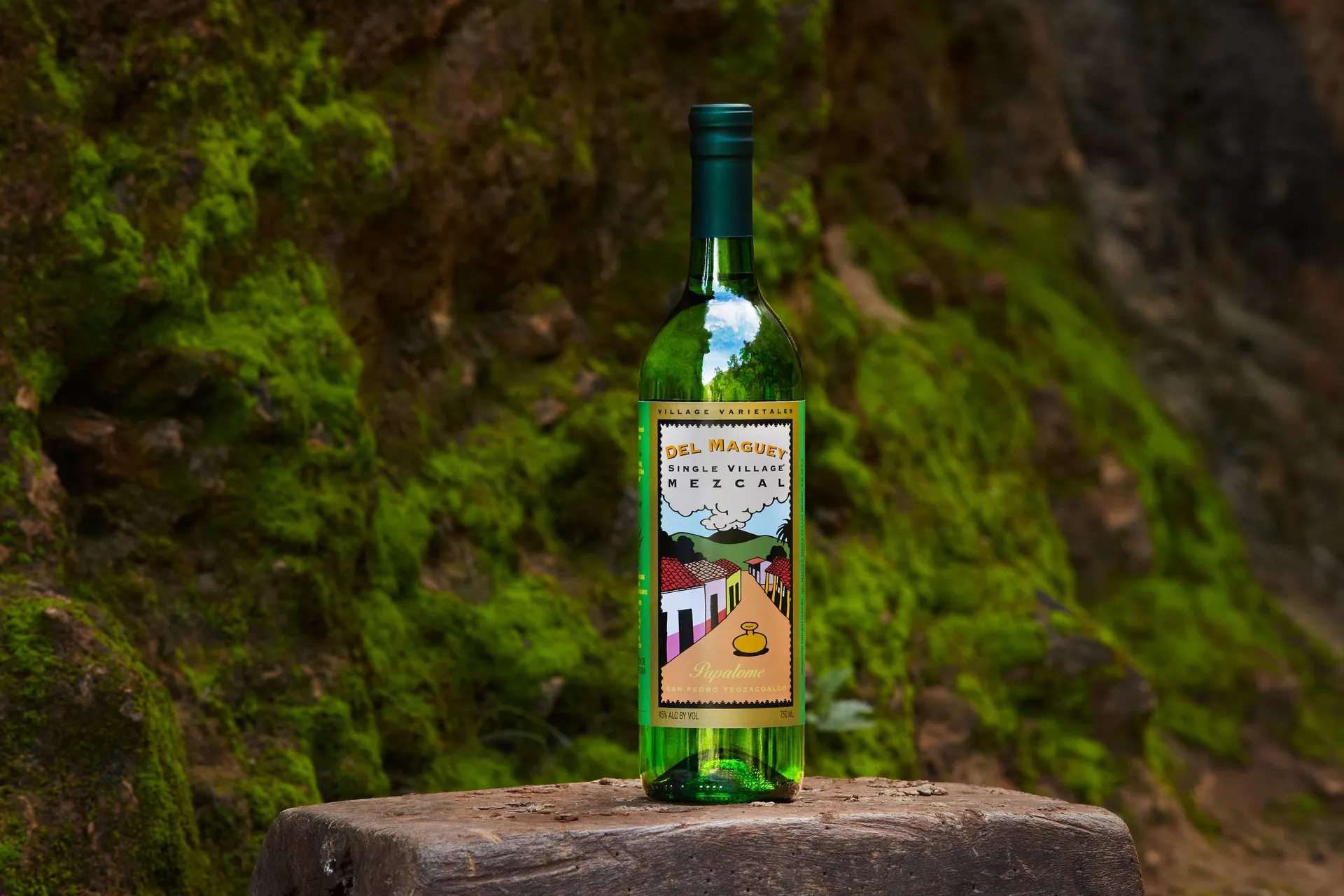
Del Maguey Wild Papalome Mezcal
Named after the Nahuatl word for butterfly, for it´s broad leaves, agave papalometl thrives in the tropical Mixteca Alta. The classification and taxonomy of this class of maguey is complex. In general, Papalome is the same agave as the central valley tobala (A. potatorum), albeit with terroir from the region. However, it is recognized that A. nussaviorum and A. seemanniana, which are similar in appearance and flavor to A. potatorum, can also be considered papalome in the Mixtec region and San Pedro Teozacoalco. Maestro Fernando Caballero Cruz (El Bigote) and his wife Petra, distill using a stainless steel pot with clay condenser and bamboo tubing. The town is the site of an anciente Mixtec capital, ruled by the king, Eight Deer Jaguar Claw, and the mezcals produced by El Bigotes and Petra are fit for royalty. Rich leather notes black olive dried black cherries and an earthy savoury mushroom finish.
Flavor Profile
Tasting
Leather, olive, black cherries, earth, mushroom
Rich leather and black olive with dried fruit
Dried black cherries and earth with savoury complexity
Long and complex with mushroom and mineral finish
More on Tasting
Leather, olive, black cherries, earth, mushroom
Origin
Tropical Mixteca Alta Canyon
San Pedro Teozacoalco
5200 ft
Tropical Clay
Papalome (Agave cupreata)
10 to 15 years
The Process
Local family palenque, San Pedro Teozacoalco
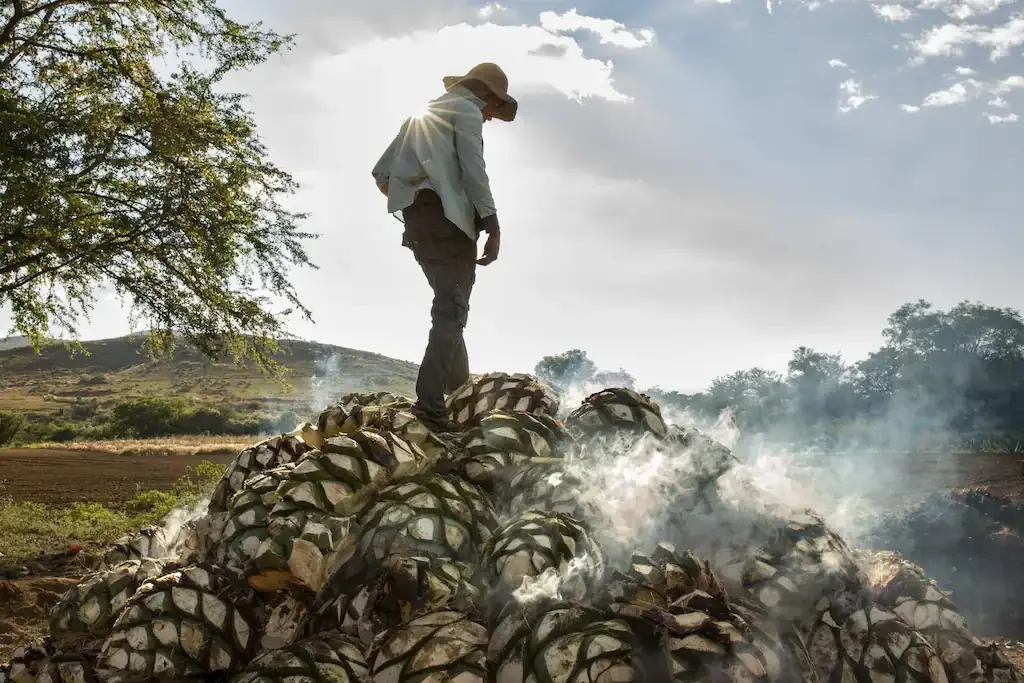
Hand-cut from tropical canyon slopes after 10 to 15 years
Earthen pits lined with volcanic rock
Molino milling · open wooden vats · wild fermentation
What defines this mezcal
A SWEETNESS BUILT BY ADVERSITY
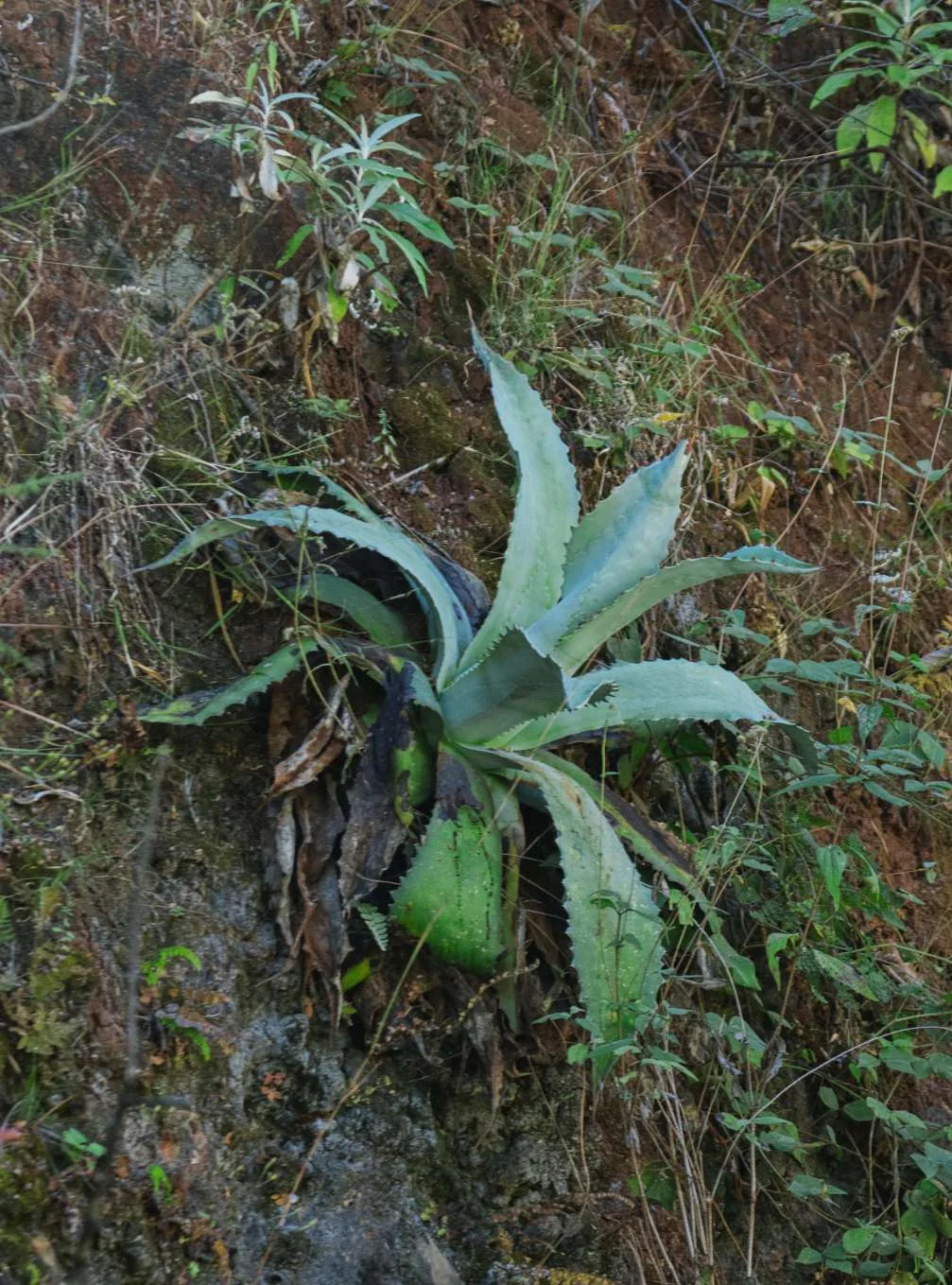
“Wild Papalome” matures slowly and fully in an unforgiving environment: steep slopes, volcanic mineral soil, and exposure that few plants survive. And the reward of flavor that can only come from that adversity. The result: a maguey that stores deep sugars, concentrates its flavors, and builds a natural resilience that translates into spirit.
Powdered Earth and Hidden Rivers
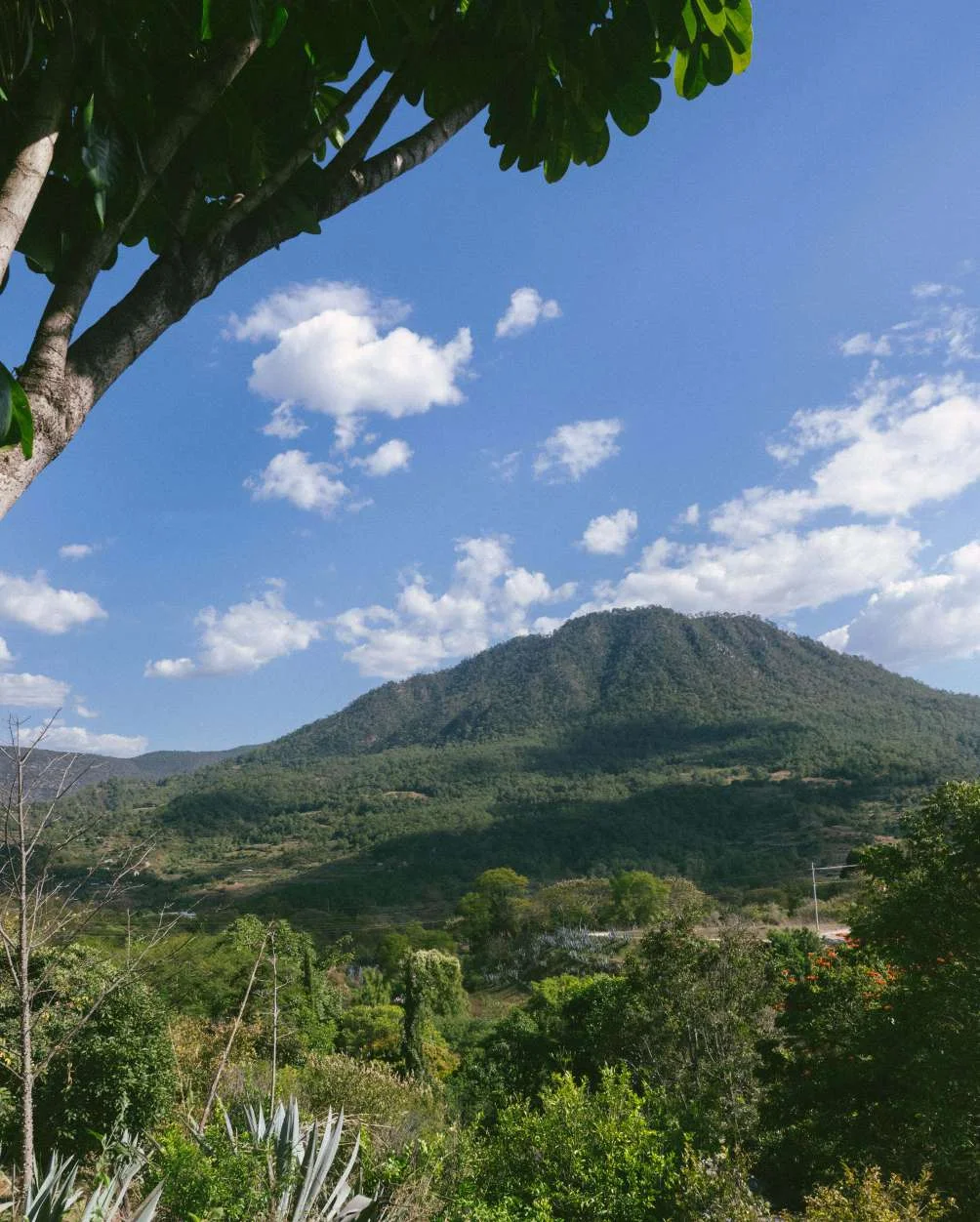
San Pedro Teozacoalco sits in a lush mountain valley in the Mixteca Alta, the soil turns pale and powdery as you approach town. The cliffs show bands of red, green, and grey minerals, and the sun-facing rock holds dense clusters of fat papalomé and jabalí growing straight from the stone. All around the town there are flowing rivers you can hear but not see. Near the houses, the air carries citrus and warm earth. And at Fernando “Bigote” Caballero’s palenque, a spring is born. He turned it into a swimming pool for his grandchildren.
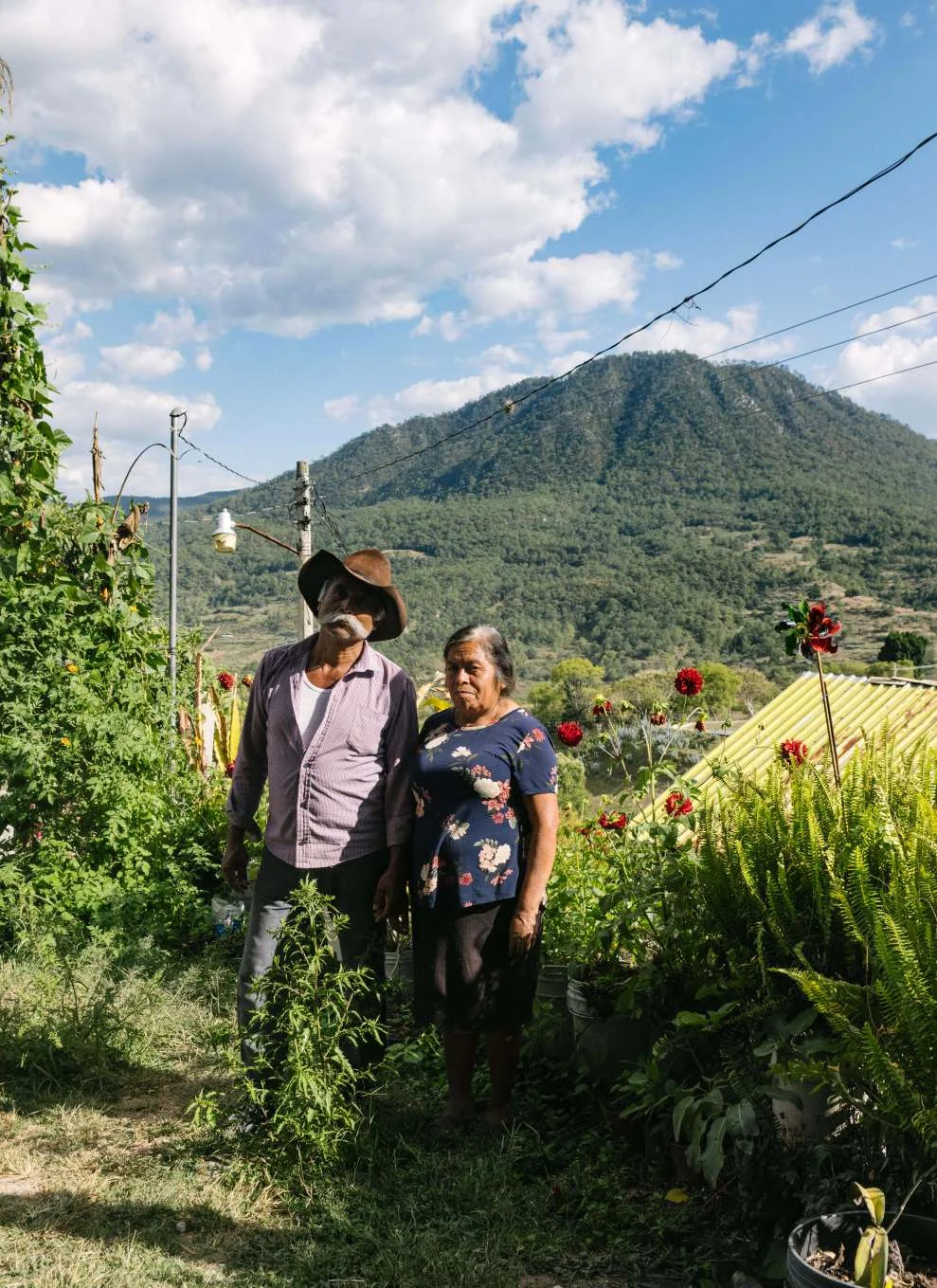
The Family Behind San Pedro Teozacoalco. The Caballeros of the Spring.
• Fernando Caballero Cruz (“El Bigote”) — Maestro mezcalero. • Petra — Mezcalera and keeper of the community sazón. • Father of Fernando — Former palenquero; practiced fermentation in cuero de res and later in olla de barro. • Mother of Fernando — Curandera known for bone-setting and herbal healing.
Similar mezcales you may enjoy
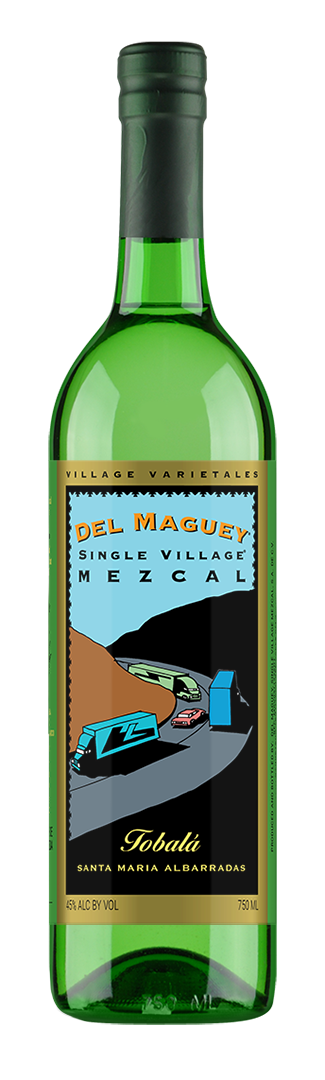
Tobalá
The first wild varietal mezcal ever exported to the United States. Wild Tobalá grows in the shade of oak trees within hi…
45% ABV | 750ml
Mango, cinnamon, moss, earth, florals, minerality
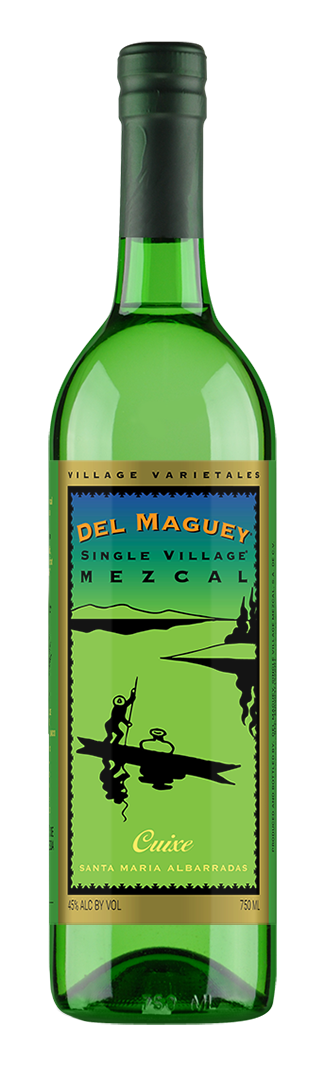
Cuixe
Crafted on a hillside in Santa María Albarradas surrounded by fruit trees and rose bushes. Naturally fermented and twice…
45% ABV | 750ml
Hoja santa, fresh jalapeño, lilac, guava, lychee nut, minerality
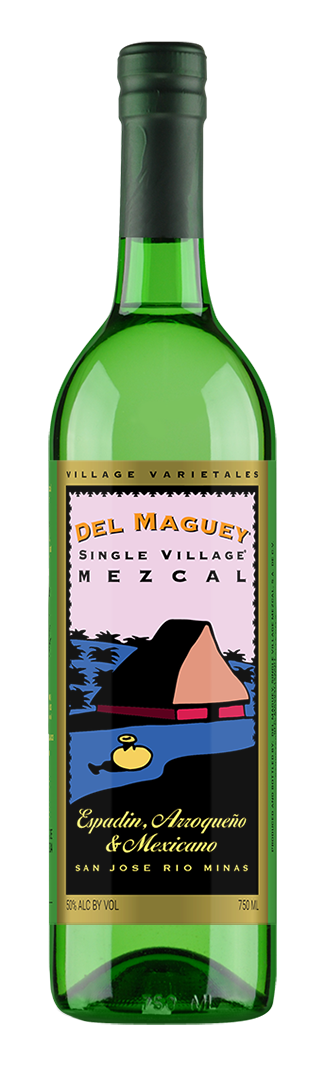
Espadín, Arroqueño & Mexicano
The village of San José Río Minas requires traversing high mountains on narrow jagged dirt roads. The palenque has been…
50% ABV | 750ml
Papaya, ripe peaches, roses, violets, eucalyptus, minerality