If you’ve ever wondered why the same mezcal can feel smoky and elegant in one glass, yet sharp and “hot” in another, you’re not imagining it. The best mezcal glasses don’t just look nice, they shape how aroma, alcohol, texture, and even temperature reach your senses.
This guide is practical on purpose. You’ll learn how to choose mezcal drinking glasses (and mezcal drinking cups) based on what you’re actually doing: slow sipping, tasting flights, or cocktails. Along the way, I’ll use a few Del Maguey expressions as real-world examples of how different mezcals “behave” in different vessels—because glassware choices make the most sense when they’re tied to an actual drinking moment.
Why the Glass Matters When Drinking Mezcal
A mezcal glass is a tool. Its shape decides how much aroma you capture, how much ethanol hits your nose, and how the liquid lands on your palate. When you’re choosing the best glass for mezcal, you’re really choosing which parts of the spirit you want to emphasize.
A quick bartender rule: mezcal is an aroma-first spirit. If the glass can’t deliver aroma cleanly, you’re missing half the experience.
Aroma, alcohol and perception: how a mezcal glass shapes the experience
Aromas in mezcal are carried by volatile compounds, but so is alcohol. A glass that exposes too much liquid surface with no control can push ethanol forward and mute the delicate notes, think citrus oils, flowers, fresh herbs, roasted agave sweetness, or mineral tones. The best mezcal glasses help you smell more, without getting “punched” by alcohol.
This is why many traditional mezcal glasses and modern tasting glasses share a goal: they create a comfortable aromatic zone that lets you explore the spirit gradually.
Olfactive chamber and headspace: why mezcal needs room to breathe.
Two words that matter more than people think: headspace and olfactive chamber.
Headspace is the air above the liquid. It’s where aroma gathers before it reaches you. If you pour mezcal into a tiny, straight-sided shot glass with almost no headspace, aroma has nowhere to accumulate. You get alcohol heat first, complexity second (if at all).
An olfactive chamber is the “aroma pocket” created by the glass shape—often a bowl that allows aroma to bloom, sometimes paired with a slightly narrower opening that concentrates it. You don’t need a fancy glass to benefit from this; you just need space and a shape that respects aroma.
This is why a wide-mouthed vessel can work beautifully for some mezcals, especially those with bold roasted and smoky notes, while a tulip-style glass can be better for floral, fruity, or mineral expressions where you want more precision.
Rim thickness and mouth feel: small details that change every sip
The rim is your “first tactile contact.” A thick rim can make mezcal feel heavier and dull the perception of brightness. A thinner rim often makes the spirit feel cleaner and more precise, especially on the front palate.
Also, rim diameter changes how mezcal flows: a wide opening sends more aroma and more liquid at once; a narrower opening slows the experience down. If you’re sipping a complex mezcal slowly, that control can be the difference between “layers” and “burn.”
The Traditional Mezcal Drinking Vessels
Traditional mezcal cups and traditional mezcal glasses exist for a reason: they’re simple, durable, and designed around communal drinking and aromatic expression. The three classic vessels below cover most traditional contexts.
Copita: the classic mezcal sipping glass
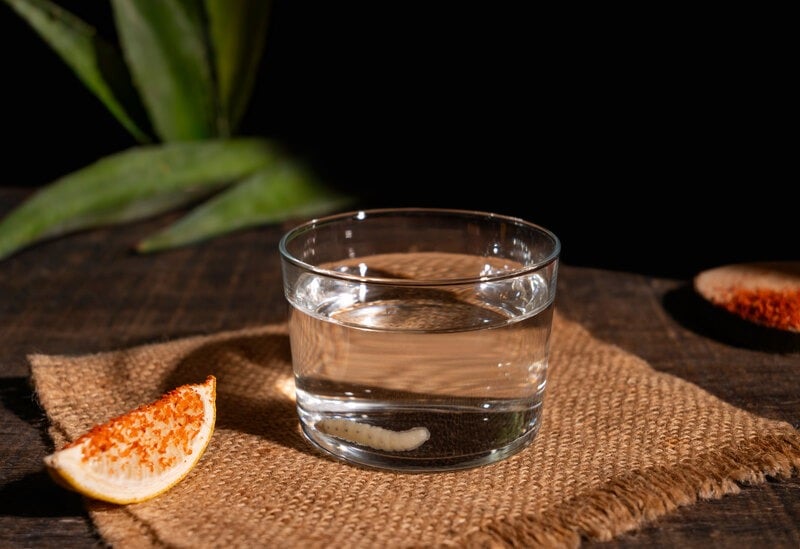
A copita is one of the most iconic mezcal drinking glasses. It’s typically small, comfortable for slow sipping, and often made from glass or sometimes clay/ceramic. The key advantage is balance: enough surface area to release aroma, but not so much that ethanol dominates.
If you’re building a home setup and want something versatile, a mezcal copita set is a great “default” for neat pours. You’ll see the term mezcal copitas glass used in shops and blogs, but the practical point is this: a copita gives you a ritual-friendly size and an aroma-friendly shape without being overly technical.
A great example of when a copita shines is a mezcal with a confident, classic profile, smoke, earth, roasted agave sweetness, where you want the aroma to open gradually over multiple small sips. Del Maguey Chichicapa is a perfect “copita mezcal”: it’s expressive and layered, and in a copita you can track how it evolves from smoky/earthy into sweeter, rounder notes as it warms.
Veladora glass: the everyday mezcal drinking glass in mezcalerías
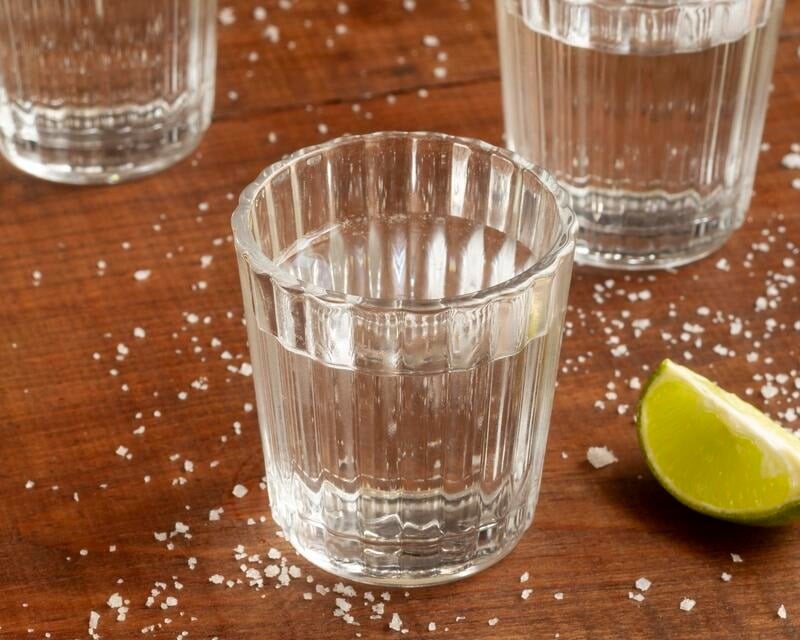
The veladora is the workhorse of mezcalerías, the everyday mezcal drinking glass you’ll see again and again in Oaxaca and beyond. “Vaso veladora” is a common reference in Spanish, and it’s a great keyword to understand culturally: it’s the same type of glass often associated with devotional candles, repurposed into a mezcal context.
Why it works: It’s sturdy, stable, and its open shape makes aroma easy to access without needing to “train” your nose. That openness favors bold mezcals and casual sipping environments, especially when you’re drinking with food and conversation.
Veladoras are also fantastic for teaching mezcal to beginners, because they reduce the intimidation factor. With the right pour size (more on that later), you get a welcoming nose and an easy sip.
If you want to illustrate how veladoras can highlight elegance, use a mezcal with floral/mineral nuance where openness still helps, especially once the spirit warms. Del Maguey Santo Domingo Albarradas (known for its aromatic lift and finesse) can feel beautifully “alive” in a veladora because the open bowl invites the bouquet upward.
Jícara gourd: tradition, ritual and earthy aromas
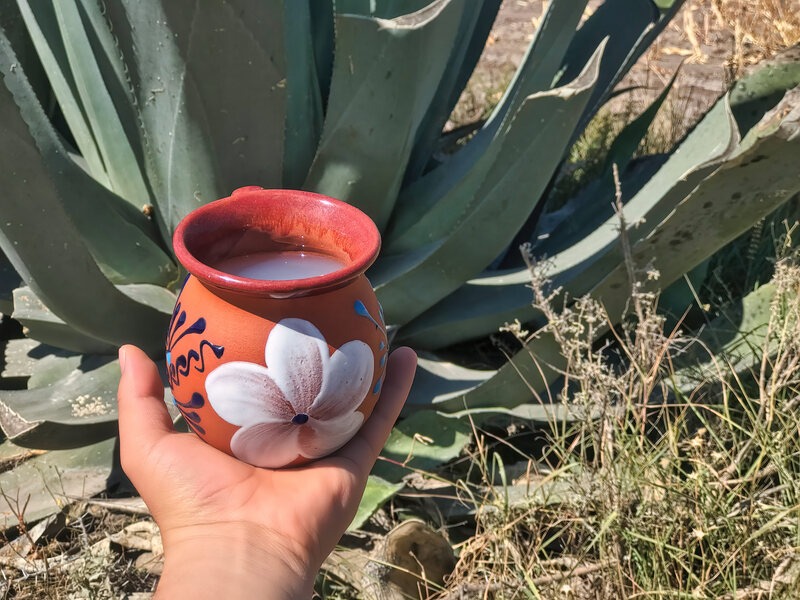
A jicara gourd (jícara) is one of the most traditional mezcal drinking vessels. Often made from dried gourd, sometimes lined or treated. It’s tactile, rustic, and deeply rooted in cultural ritual. It also changes the experience in ways glass can’t.
Because gourd is porous (even when treated), it can carry subtle earthy notes, and it can retain aromas if not cared for properly. That can be a feature in a traditional setting, but it’s also why many modern drinkers prefer glass for controlled tastings.
The jícara is best when: You’re leaning into tradition and ritual, drinking slowly, and embracing a slightly “wilder” sensory frame—where the vessel itself is part of the story.
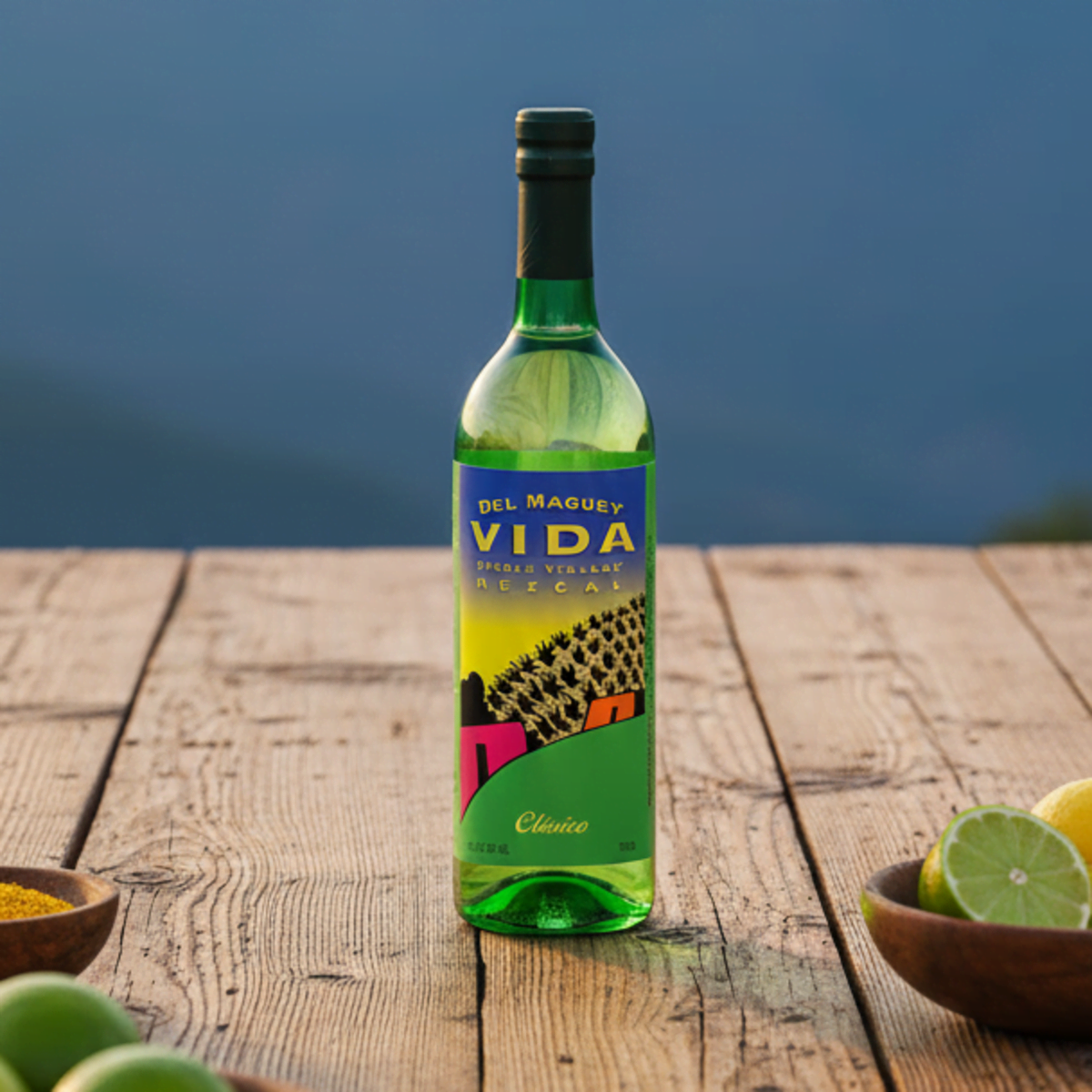
If you’re hosting friends and want to show the contrast between ritual and precision, a fun move is to pour the same mezcal in a jícara and a glass copita, then compare. A bold, characterful mezcal like Del Maguey Vida Clásico can handle that contrast well: in a gourd it can feel earthier and rounder; in glass it reads cleaner and more aromatic.
Modern Mezcal Glasses for Tasting and Sipping
Modern mezcal glasses are not “better” than traditional mezcal cups. They’re simply designed for a different goal: consistency, precision, and aroma control, especially when you’re comparing multiple pours.
Mezcal tasting glasses vs mezcal sipping glasses
Mezcal tasting glasses are optimized for comparison. They emphasize:
- Consistent bowl shape
- Aromatics that are easy to evaluate
- Controlled alcohol presence
Mezcal sipping glasses, on the other hand, prioritize comfort and flow. They can be a little more open, more relaxed, and more enjoyable for long sessions.
In practice:
- If you’re doing a flight, use tasting glasses.
- If you’re relaxing with one pour, a copita or open glass is often more satisfying.
This is also where “best mezcal glasses” becomes personal: the best setup is the one that matches how you drink mezcal most of the time.
Tulip-style glasses and other modern mezcal drinking glasses
Tulip-style glasses (often compared to whisky tasting glasses) are popular because they combine a bowl (to release aroma) with a narrower opening (to focus it). This can reduce ethanol sharpness and bring out delicate aromatics.
They’re especially helpful for mezcals with:
- Floral notes
- Citrus peel brightness
- Herbal lift
- Mineral / stone / clay-like nuance
If you’re tasting a mezcal you want to “read” carefully, tulip glasses can make the experience feel more articulate. For example, if you’re exploring a more aromatic, nuanced Del Maguey expression such as Santo Domingo Albarradas, a tulip glass can highlight its higher-toned aromatics and structure, great for slow analysis.
When modern mezcal glasses make sense and when they do not
Modern glasses make sense when:
- You’re comparing multiple mezcals
- You want to reduce alcohol impact on the nose
- You’re training your palate or writing tasting notes
They don’t always make sense when:
- You’re drinking socially and casually
- You want a more traditional ritual
- You’re pairing mezcal with food in a relaxed context
Own one “precision” glass and one “everyday” glass. That covers almost every scenario without overthinking.
How to Choose the Best Glass for Mezcal
This section is your decision checklist, the fastest way to pick the best glass for mezcal based on what matters: pour size, opening, material, and comfort.
- Glass size and pour: how much mezcal is ideal: A common mistake is pouring mezcal like a cocktail or a whisky dram. Mezcal is usually best in smaller pours, especially in aromatic glasses.
- A good practical range: About 0.75–1.5 oz (roughly 25–45 ml), depending on the vessel and the context. Smaller pours keep the headspace functional (especially in smaller cups), keep the spirit from warming too fast, and invite slow sipping—exactly what mezcal does best.
- Wide mouth vs narrow opening: A wide-mouth glass feels open and social, giving aromas plenty of space to rise, though it can let alcohol come through quickly if the pour is too large. A narrower, tulip-style opening focuses aromas and softens the perception of ethanol, offering a more controlled and precise experience that can feel slightly more technical than traditional.
If you love bold, smoky profiles and drink in conversation, a wide mouth vessel like a veladora can be ideal. If you’re chasing floral and mineral nuance, or doing tastings, a narrower opening can be the best mezcal glass choice. - Material matters: Glass is neutral, easy to clean, and ideal for precision, delivering a consistent and reliable aromatic profile. Ceramic and clay mezcal cups, by contrast, lean more toward tradition and ritual; they can subtly influence aroma and flavor—especially when porous—and require extra care to prevent odors and flavors from lingering between uses. This is why many professionals default to glass for evaluating mezcal, then use ceramic/clay for ritual moments.
- Durability and comfort for home and bar use: If you’re building a home bar, choose glasses that feel stable, are easy to clean, and don’t demand special handling. This matters especially if you’re using mezcal in cocktails. For example, Del Maguey Vida Puebla is designed to stand up in mixed drinks; pairing it with durable rocks or highball glassware makes sense for real-life use—no delicate stems required.
Ceramic and Clay Mezcal Cups: What to Know Before Using Them
Clay and ceramic are part of mezcal tradition, but they come with trade-offs. This section helps you use them intentionally and safely, without turning the topic into fear or hype.
Traditional mezcal cups often exist for communal drinking and cultural continuity. They can also change how mezcal feels: sometimes softer, rounder, earthier. That can be beautiful—especially with mezcals that already lean into roasted agave and mineral notes.
They’re also popular as gift items (you’ll see terms like mezcal cup and mezcal drinking cups frequently), but from a practical standpoint, they require more care than glass.
Mezcal ceramic cups vs mezcal clay cups: differences in use and care
Ceramic mezcal cups:
- Often smoother and easier to clean
- Can still retain aromas if unglazed or porous
- Can be more consistent if glazed and food-safe
Mezcal clay cups:
- More likely to be porous
- More likely to retain aroma
- Can add a subtle earthy “frame” to the experience
If you’re using clay/ceramic regularly, treat them like a specialty tool, not your only glassware.
Porous materials can retain unwanted aromas, including soap, kitchen odors, or traces of previous mezcal pours, which can interfere with future tastings. To minimize this, rinse them thoroughly with warm water, avoid heavily scented soaps, and always let them dry completely in open air before storing them.
If a cup starts smelling “stale,” it will show up in your mezcal. Glass is forgiving; clay and ceramic are honest.
Choosing Mezcal Glasses Based on How You Drink Mezcal
Your best mezcal glass is the one that fits your drinking moment.
If you drink mezcal neat and slowly, prioritize:
- Comfortable rim
- Moderate openness
- Enough headspace to keep aroma present but not aggressive
Best fit:
- Copita
- Veladora (especially for social sipping)
- A relaxed, small rocks-style glass (if it allows aroma to open)
This is where expressive, balanced mezcals shine as reference pours. Del Maguey Chichicapa is a great example for slow sipping: it opens gradually, and a copita lets you follow the transition from smoke and earth into sweetness and spice without rushing.
Flights are about consistency. Use identical glasses and keep pours small. Choose a vessel that:
Tasting flights work best when consistency is the priority. Using identical glasses with small pours helps ensure a fair comparison, allowing aromas to come through clearly while keeping ethanol in check. Tulip-style tasting glasses are ideal for this purpose, and uniform copitas can work just as well as long as their shape and size remain consistent across all pours.
If you’re introducing friends to mezcal, start with an approachable, versatile reference mezcal that still has personality. Del Maguey Vida Clásico works beautifully here: it’s recognizable, expressive, and it performs well both neat and in context, so it’s a strong “baseline” in a flight.
Traditional Mezcal Rituals and Serving Customs
Traditional customs aren’t “rules.” They’re ways of honoring mezcal’s cultural context, and they can genuinely improve the experience by slowing you down and focusing attention.
In traditional settings, the mezcal drinking vessel is part of the ritual. The choice of cup can signal the occasion: communal sharing, celebration, respect for the spirit, or connection to place.
This is where traditional mezcal glasses and traditional mezcal cups can add meaning beyond sensory mechanics. A jícara gourd or a simple veladora can make mezcal feel less like a product and more like a shared moment.
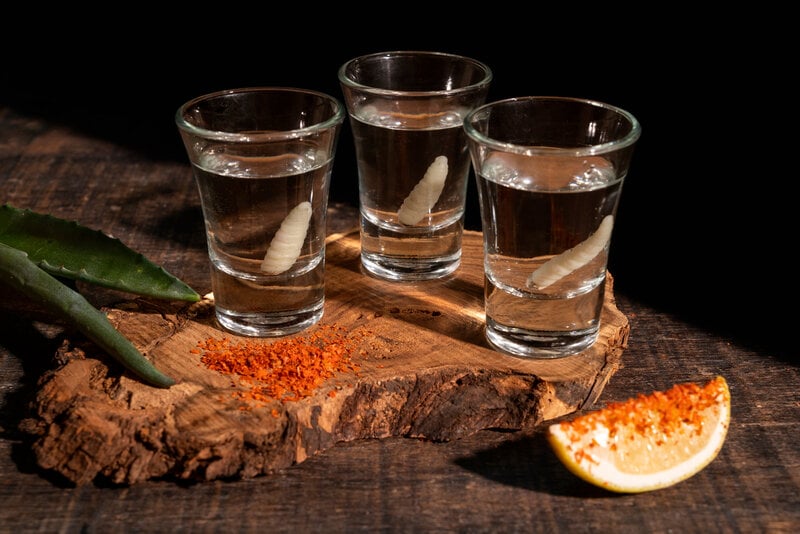
Orange slices and sal de gusano are common accompaniments in many mezcal contexts. The goal isn’t to “mask” mezcal—it’s to complement it.
A practical way to use these accompaniments is to sip the mezcal first, then take a small bite of orange, add a light touch of sal de gusano if you enjoy it, and return to the glass to notice how the flavors and textures of the next sip subtly change.
This ritual can be especially fun with mezcals that have a bold roasted core and smoky structure, because citrus and seasoning can amplify perceived sweetness and spice.
Tradition enhances the tasting experience when it slows the pace, encourages mindful sipping, and connects the drinker to the moment and the people sharing it.
If you’re hosting, a simple structure can help bring this to life: begin with a neat sip in a copita, compare the same pour in a veladora, and finish with a small ritual serve in a jícara gourd, using orange and sal de gusano as an optional lens to explore how the mezcal evolves.
Ultimately, glassware is about helping mezcal express itself honestly, and that philosophy aligns closely with how Del Maguey approaches mezcal itself. Each Del Maguey expression reflects a specific place, process, and family tradition, and choosing the right glass simply allows those details to come through more clearly.
Whether you’re sipping slowly, tasting comparatively, or enjoying mezcal in a social setting, the goal is the same: to let the character of the spirit speak for itself, with the glass acting as a quiet partner in the experience rather than the focus.