If you want to truly understand mezcal, not just drink it, start with the label.
For bartenders and agave lovers, the mezcal label is more than a pretty design or a trendy mezcal pink label on the back bar. It’s a compact technical sheet that tells you who made the spirit, how it was produced, where it comes from, and whether it complies with NOM-070, the official Mexican regulation that defines what certified mezcal is.
In this guide, we’ll break down every key element of a mezcal label, how NOM-070 shapes what you see there, and how professionals use that information to predict flavor, quality, and authenticity at a glance.
Why Mezcal Labels Matter More Than You Think
A mezcal label reveals far more than just the brand name and alcohol content. When you know what to look for, it becomes your first line of defense against misleading marketing and your best tool to understand what is actually in the bottle.
A proper mezcal label lets you answer questions like:
- Was this spirit produced in a certified mezcal region?
- Is it made from a single agave species or a blend?
- Is the producer actually registered and certified under NOM-070?
- Is this a small, batch-specific production, or a large, industrial one?
Small details like the batch number, lot ID, and the name of the maestro mezcalero can point to a transparent, origin-driven producer rather than a generic “private label mezcal” with little traceable information.
NOM-070 exists partly to protect traditional mezcal-making practices and the communities behind them. The regulation standardizes the way information appears on the label so that producers cannot hide industrial shortcuts behind rustic-looking branding.
A mezcal label is not just packaging; it’s a legal and cultural document in miniature.
Understanding NOM-070: The Regulation Behind Every Certified Mezcal
NOM-070 (formally NOM-070-SCFI) is the Mexican regulation that defines what can legally be called “mezcal.” When you see a certified mezcal label, NOM-070 is behind almost every word and number printed there.
NOM-070 was introduced to safeguard mezcal at every level of its identity. First, it protects the word “mezcal” by formally defining it as a Denomination of Origin, ensuring that only spirits produced in specific regions and under recognized traditions can carry the name.
It also establishes which agave species, geographic areas, and production practices qualify, creating a clear framework that prevents misuse or vague marketing. Another core purpose is to bring transparency to labeling so consumers aren’t misled about how or where a mezcal was made.
Finally, NOM-070 acknowledges and protects artisanal and ancestral production methods, codifying traditional techniques so they can be preserved for future generations.
Because of NOM-070, a certified mezcal label will typically include:
- The category of mezcal (Mezcal, Mezcal Artesanal, or Mezcal Ancestral).
- The class (Joven, Reposado, Añejo, etc.).
- The agave species (common and scientific name).
- The Denomination of Origin and state/region of production.
- The name or registered entity of the producer and their NOM number.
- ABV, batch information, and certification seals.
If you’re ever unsure whether a bottle complies with NOM-070 mezcal standards, start by looking for the official Denomination of Origin mention, the category, and the NOM certification details.
The Three Official Mezcal Categories Under NOM-070
NOM-070 recognizes three categories: Mezcal, Mezcal Artesanal, and Mezcal Ancestral. These are not marketing terms, they are legal definitions that describe how the spirit was produced. They heavily influence flavor and texture.
- Mezcal: is the broadest category. It allows more industrial processes, as long as they still comply with NOM-070. These mezcals can be cleaner, lighter, and more consistent, sometimes closer to a “neutral” agave profile. They can be very good, but they may lack some of the rustic, smoky, earthy complexity associated with traditional pit-roasted and small-batch mezcals.
- Mezcal Artesanal: is the category most people associate with classic, traditional mezcal. Expect more terroir-driven profiles—smoke, roasted agave, minerality, and layers of fruit, herbs, or spice. Batch variation is common, and that’s part of the charm. This is the category where many serious bartenders and agave bars focus their selection.
- Mezcal Ancestral: is the highest expression of tradition under NOM-070, with the strictest production rules. These mezcals are often intensely expressive—earthy, smoky, textural, sometimes wild or funky. They can show deep regional character and are ideal for slow, contemplative sipping rather than high-volume mixing. When you see these categories clearly stated on a mezcal label, you’re not just reading a marketing term, you’re reading the production story in one word.
Check out our in-depth guide on the key differences between Artisanal and Ancestral mezcal. to better understand how each method shapes flavor, tradition, and character.
The Core Elements You’ll Find on Every Mezcal Label
There are many details on a mezcal label, but a few core elements are absolutely essential. These are the first things a bartender checks.
Look for language such as “Mezcal – Denominación de Origen Protegida (D.O.P.)” plus the state or region of production (for example, Oaxaca, Puebla, Durango, Guerrero, etc.).
This information tells you that the mezcal truly comes from a recognized Denomination of Origin region and that the producer operates within the official territory established by NOM-070.
It also reveals the geographic origin of the spirit, an essential detail, since different soils, climates, and local traditions can produce noticeably different flavor profiles. When a bottle uses the word “mezcal” but fails to specify a clear Denomination of Origin or region, it’s a definite red flag.
Agave Species (Maguey) Used
A serious mezcal label will always specify the agave used, typically naming the common variety, such as Espadín, Tobalá, Tepextate, or Cuishe, and, ideally, including the scientific name as well, like Agave angustifolia or Agave potatorum.
This information is essential because each agave species produces a distinct flavor profile, shaping everything from aroma to texture. Some agaves are cultivated, others grow wild, and many mezcals are crafted from ensambles that blend multiple species, creating complex, layered expressions.
The type of agave also influences price and rarity, since some species take decades to mature or grow only in specific regions. So if a label simply says “mezcal” without identifying the agave, you immediately lose insight into what you’re actually drinking.
Maestro Mezcalero & Palenque Details
Many quality mezcal brands proudly include the name of the maestro or maestra mezcalera, along with the village or palenque where the spirit was produced. This level of detail reflects a commitment to transparency and traceability.
It shows that there is a real person behind the mezcal—not just a large, anonymous facility—and that the production is rooted in a specific place, tied to its local traditions, methods, and history. In the world of mezcal, knowing who crafted the spirit is just as important as knowing the distillery in Scotch or the chateau behind a fine wine.
ABV, Batch Number, and Lot ID
These numbers carry far more significance than most people realize. The ABV, or Alcohol by Volume, tells you not only the strength of the mezcal but also hints at its character—many traditional mezcals fall between 45% and 52% ABV, and when well balanced, a higher proof often delivers greater flavor intensity and depth.
The batch number or lot ID identifies the exact production run, and this matters because slight variations between batches are completely normal, and even desirable, in artisanal mezcal, reflecting the nuances of small-scale, handcrafted production.
The volume simply confirms the bottle size, whether it’s 750 ml, 700 ml, or another format. And if a label loudly claims to be “small batch” but provides no batch or lot reference at all, that’s a clear inconsistency worth noting.
The NOM Certification Seal
Finally, it’s important to look for the NOM number—usually written as something like NOM-###—along with the certification seal issued by the Consejo Regulador del Mezcal or another authorized regulatory body.
This information links the bottle to a registered producer and confirms that the spirit complies with the standards required for certified mezcal. We’ll break down how to read and verify the NOM in more detail later, but for now, remember that any mezcal claiming adherence to NOM-070 should clearly display this reference.
Taken together, these core elements, origin, agave species, producer information, ABV, batch details, and the NOM, form the essential checklist every consumer should review before choosing a bottle. They are the non-negotiable components that ensure transparency, authenticity, and a deeper understanding of what you’re about to drink.
Aging, Additives, and Special Classifications That Appear on Labels
Beyond category and agave, mezcal labels often include additional terms that describe aging, special processes, or additions.
Joven, Reposado, Añejo: What aging tells you
Under mezcal regulations, you’ll usually see:
- Joven (or Blanco): Unaged or rested for a very short period in neutral containers. Usually the purest expression of agave and production method.
- Reposado: Aged in wood for a set minimum period (traditionally a couple of months or more). Wood softens edges, adds vanilla, spice, or caramel notes.
- Añejo: Aged for a longer time in wood. The agave character integrates with oak, leading to a more rounded, sometimes dessert-like profile.
On a mezcal label, these terms tell you how much influence wood will have. For many agave purists and bartenders, Joven mezcal is preferred for cocktails and for tasting the pure maguey character, while Reposado and Añejo can be great for sipping or specific cocktails that benefit from oak-driven flavors.
Pechuga and limited editions
“Pechuga” mezcals are special batches traditionally distilled with a raw poultry breast (or other meat) and often fruits or spices. It’s a ceremonial style and is usually produced in very limited quantities.
On the label, you might notice phrases like “Mezcal de Pechuga,” along with detailed notes about the fruits or botanicals used during distillation and even references to the specific festival, season, or celebration for which the batch was produced.
These cues help situate the mezcal in its cultural and ceremonial context, offering a glimpse into the traditions that shaped it.
Limited editions often go even further, highlighting elements such as single-village terroir, the use of rare agave species, or exceptionally small batch sizes, sometimes the result of unique collaborations with bartenders, artists, or local families.
When you see this kind of information on a mezcal label, you can expect a special release: often more expensive, deeply rooted in context, and crafted with a level of intention that sets it apart from standard bottlings.
Abocado vs additive-free statements under NOM-070
“Abocado” refers to mezcal that has been flavored or softened with additional ingredients after distillation, such as fruits, herbs, honey, or even the famous gusano (worm).
On a mezcal label, you may come across the phrase “Abocado con…” followed by a list of added ingredients, which indicates that the spirit has been flavored or softened after distillation.
Alternatively, some brands highlight statements such as “no additives” or “additive-free,” making it clear that the mezcal contains nothing beyond agave, water, and time. These distinctions help you understand whether you’re drinking a pure expression of maguey or a mezcal that has been intentionally modified for a particular style or flavor profile.
Under NOM-070, labeling must make it clear if a mezcal has been altered in this way. If you value pure agave expression, look carefully for additive-free wording, or the absence of abocado statements, on the mezcal label.
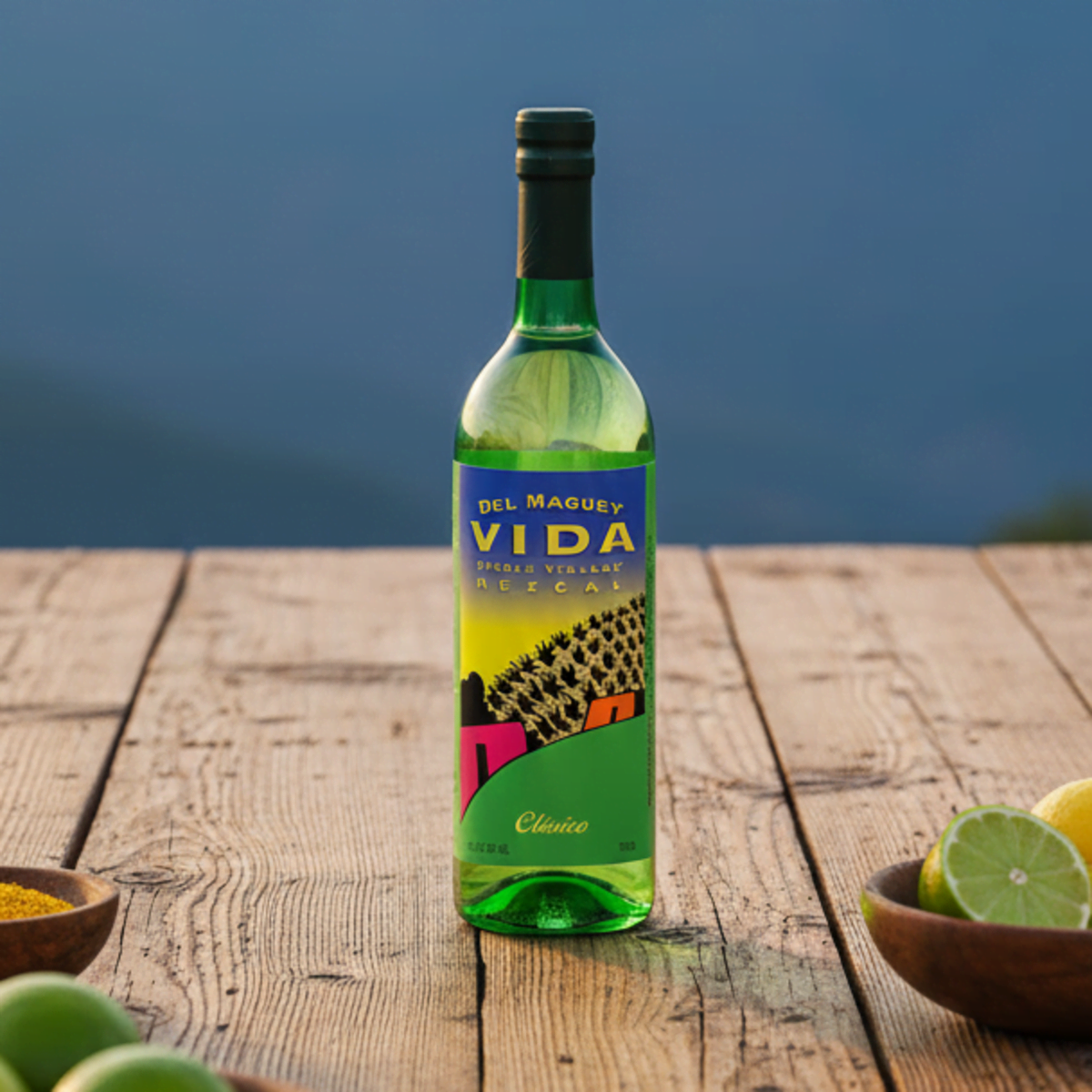
In the end, the mezcal label is your map. When you know how to read it, through the lens of NOM-070 and with a bartender’s eye, you’re no longer choosing blind. You’re making informed decisions, celebrating tradition, and giving each bottle the respect it deserves long before the first sip touches the glass.If you want to explore real examples of mezcals that honor tradition, transparency, and true craftsmanship, we invite you to discover the Del Maguey collection. Each bottle is made with care, reflecting the standards of NOM-070 and showcasing its origin, agave variety, producer, and unique character.