


Mango Mezcal Margarita: The Mango Vida Rita, Smoke Under Ripe Fruit
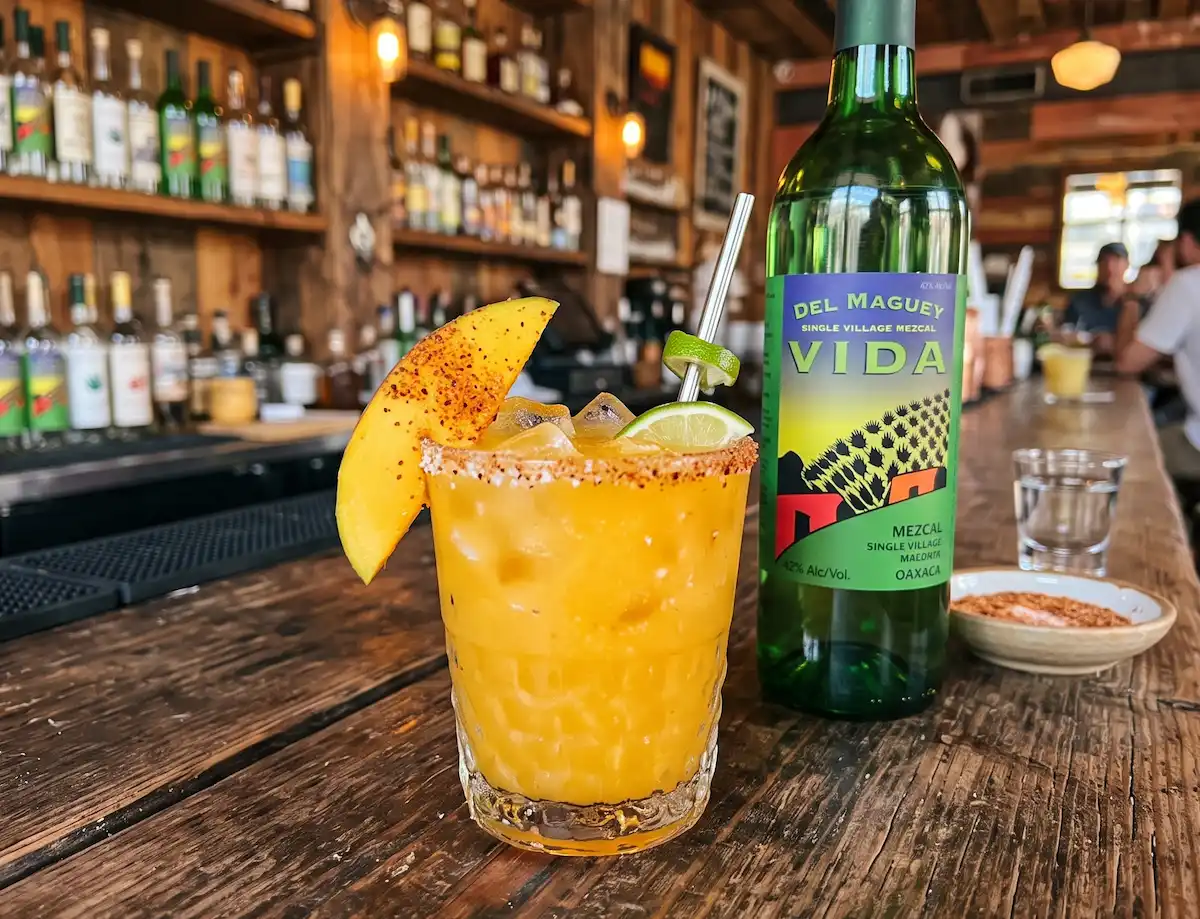
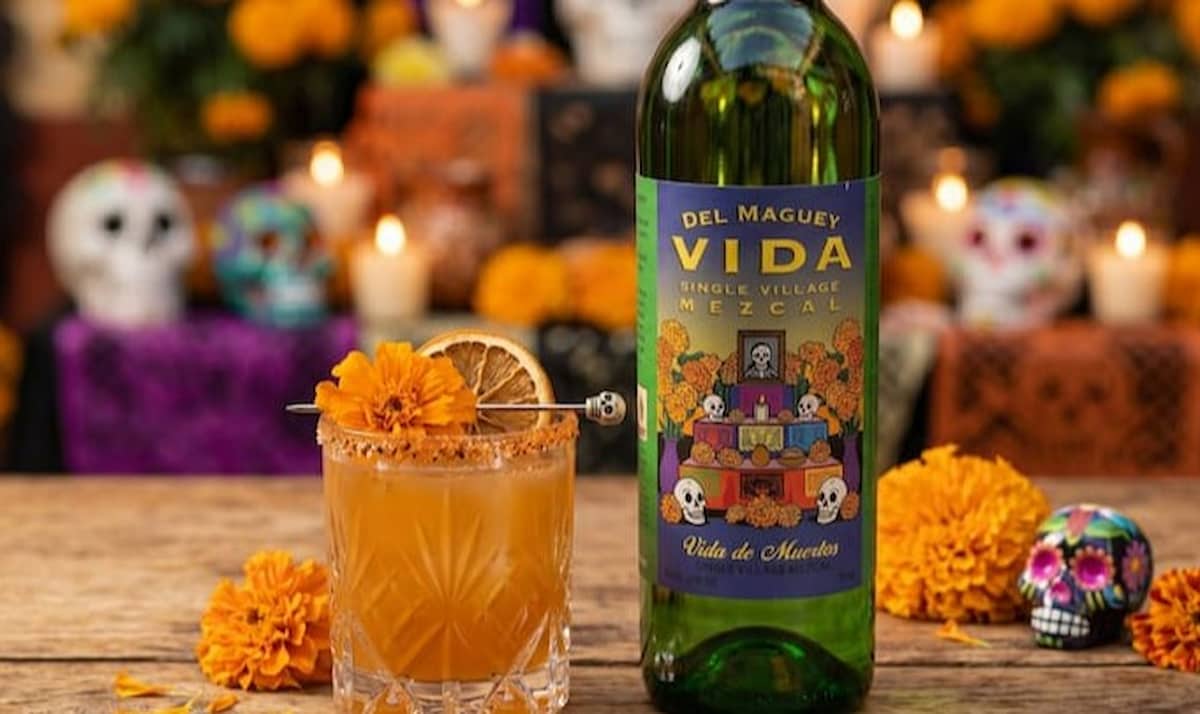
The Mango Vida Rita is our mango mezcal margarita: two ounces of Del Maguey Vida, fresh lime, agave syrup and half an ounce of mango puree. It belongs to the Vida Rita family, the house margarita that runs through our mezcal cocktails, and it is the version where ripe fruit meets Oaxacan smoke instead of hiding it.
Most mango mezcalita recipes never measure the mango at all. They blend a whole one, or half of one, or half a cup of fruit, and the mezcal ends up wherever the fruit leaves it.
Ingredients for a Mango Mezcal Margarita
· 60 ml (2 oz) Del Maguey Vida Clásico or Vida Puebla
· 30 ml (1 oz) fresh lime juice
· 15 ml (0.5 oz) agave syrup
· 15 ml (0.5 oz) mango puree
· Fresh ice and a skewered mango slice to garnish
Nutrition: what is really in a mango mezcalita
Calculated for one cocktail built with Vida Clásico at 42% ABV, shaken and strained over fresh ice. The served volume lands near 160 ml once dilution is counted.
| Per cocktail | Amount |
| Calories | 202 kcal |
| Carbohydrates | 15.6 g |
| Sugar | 14.9 g |
| Protein | 0.2 g |
| Fat | 0 g |
| Sodium | 2 mg |
| Alcohol (pure ethanol) | 20 g |
| Serving size | 1 cocktail (approx. 160 ml) |
Build the same drink with Vida Puebla at 40% ABV and it lands near 196 kcal. The gap comes from the spirit, not from the fruit.
Step by step: how to make the Mango Vida Rita
Prep time: 5 minutes.
1. Add the Vida Clásico, lime juice, agave syrup and mango puree to a shaker.
2. Fill with ice and shake hard for 10 to 12 seconds.
3. Strain into a rocks glass full of fresh ice. The ice you shook with is already spent, so it goes in the sink.
4. Garnish with a skewered mango slice.
Vida Clásico or Vida Puebla: two villages, two mezcal mango cocktails
The recipe takes either bottle, and the choice is not a detail. Vida Clásico comes from San Luis del Río, Oaxaca, where palenqueros Paciano Cruz Nolasco and Marcos Cruz Mendez distill Espadín slowly in small wood-fired riverside copper stills, at 42% ABV.
Vida Puebla comes from Axocopan, in the state of Puebla, where ripe agave is roasted underground before it is twice distilled in copper, at 40% ABV. Clásico brings more structure and a longer smoke that holds under the mango. Puebla sits two points lower and its underground roast reads rounder, so the fruit steps forward earlier.
Same measures, two different drinks, because they come from two different villages. That is the whole idea behind Single Village mezcal, and it is why the palenqueros have names and surnames instead of a corporate signature.
One more thing worth knowing about San Luis del Río. Our own account of that village describes the scent of its old mango grove hanging in the air along the Red Ant River. That is the village Vida Clásico is distilled in.
Why the Mango Vida Rita measures the mango puree
Scroll through mango mezcalita recipes and the mango is almost never a measurement. It is a whole mango blended with water, or half a mango muddled in the shaker, or half a cup of fruit poured straight in. The fruit lands wherever it lands, and the mezcal lands underneath it.
Half an ounce is a measurement. It is the point where mango reads clearly and the Espadín still comes through whole, and it makes the drink repeatable: the same balance every time, not whichever mango you happened to buy.
Half an ounce also goes further here than it would in another bottle. Our tasting notes for Vida Clásico open with mango, ahead of tangerine, roasted agave and ginger. The fruit is in the glass before you add any, so you are turning it up rather than introducing it.
The recipes that do measure land close to this one, near three quarters of an ounce against two ounces of spirit. The real gap is between measuring and guessing. If you want more of this register, the rest of our tropical mezcal cocktail range works from the same idea: fruit as a lens for the mezcal, never a mask.
Mango mezcalita vs mango margarita: mezcal, not tequila
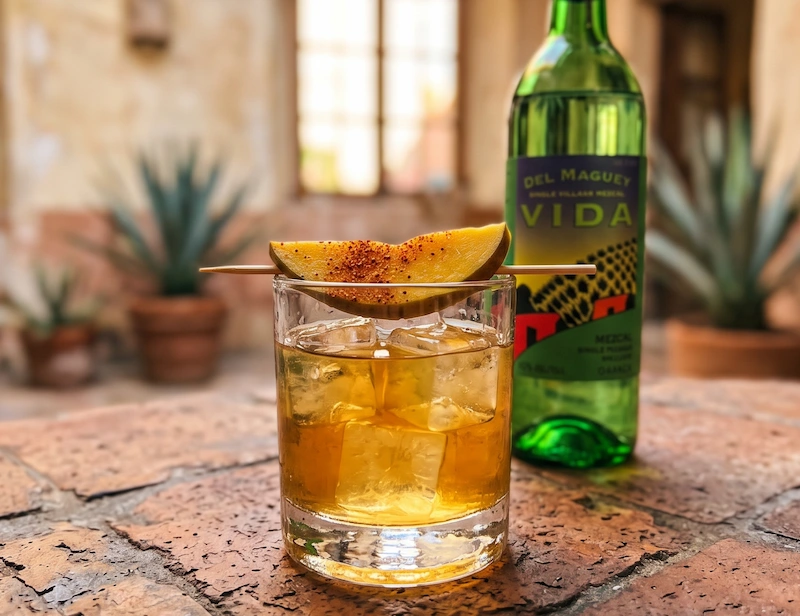
A mango margarita is a tequila drink. Look one up and you get blanco tequila, triple sec and blended fruit. A mezcalita is that same shape built on mezcal: spirit, citrus and sweetener, with mezcal where the tequila used to be. That is what a mezcalita is as a drink.
The swap moves the category, not just the bottle. Tequila is made from blue Weber agave, cooked in masonry ovens or autoclaves. Vida is Espadín, naturally fermented and twice distilled in wood-fired copper stills, and Vida Puebla roasts its agave underground. Different plant, different method, and that is where the smoke in your glass comes from.
Spicy mango mezcal margarita, frozen and other variations
Spicy: muddle two thin slices of jalapeño in the shaker before everything else, or rim the glass with Tajín. Chile over fresh fruit is Mexican street tradition.
Frozen: blend the same measures with a cup of ice, and add a quarter ounce of agave because cold flattens sweetness.
Longer: top the strained drink with soda water in a highball. It stretches one drink into a session and drops it near 100 kcal per serve.
Tips for a smoky mango margarita that stays balanced
Use ripe mango. Ataulfo or Manila puree carries enough sugar that you may want to cut the agave to a quarter ounce. Underripe fruit needs the full half.
Check the label before you sweeten. Most supermarket purees are already sweetened, so adjust the agave down or the drink lands past 25 g of sugar and tastes like candy.
All of it rests on the bottle. Del Maguey Vida Mezcal is built to be mixed and still taste of the village it came from, which is exactly why half an ounce of mango is enough here. Change the mezcal and you are making a different drink.
Other cocktails
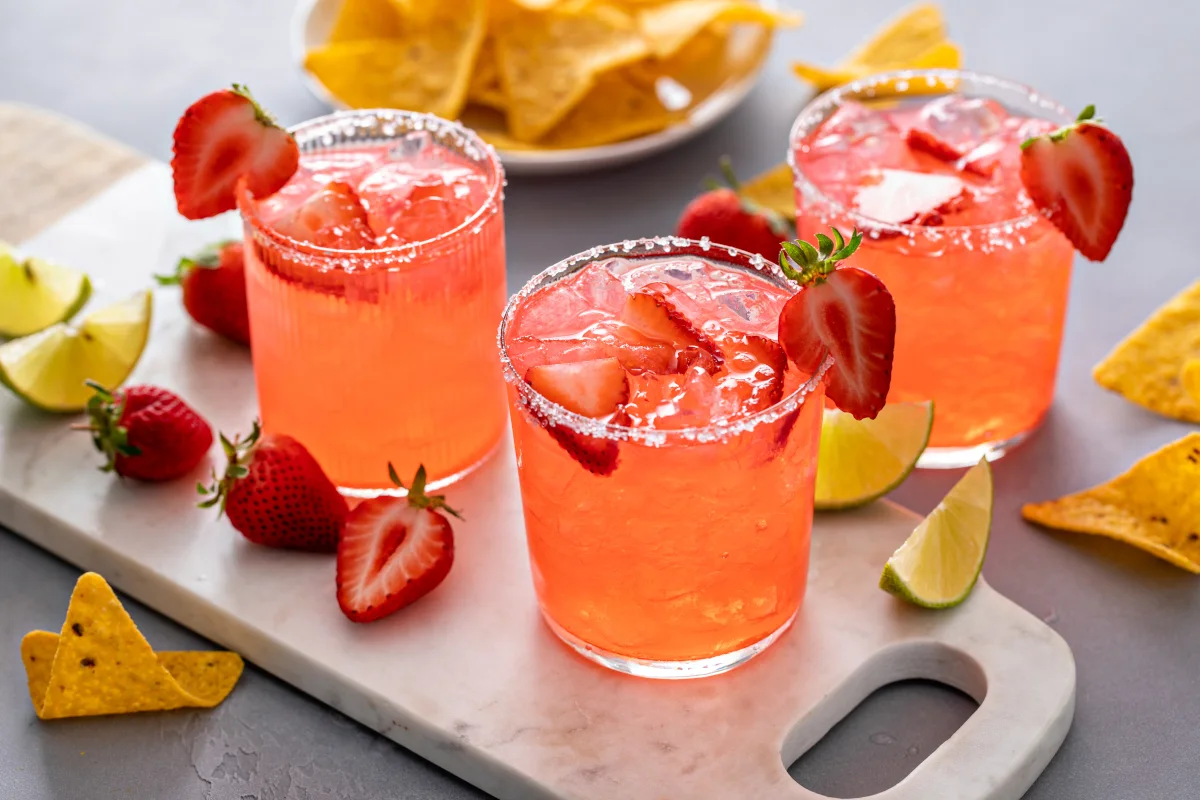
Meet the Strawberry Vida Rita, Del Maguey’s strawberry take on the strawberry mezcal margarita. It keeps the bright lime-and-agave backbone of the classic Vida Rita and folds in fresh muddled…
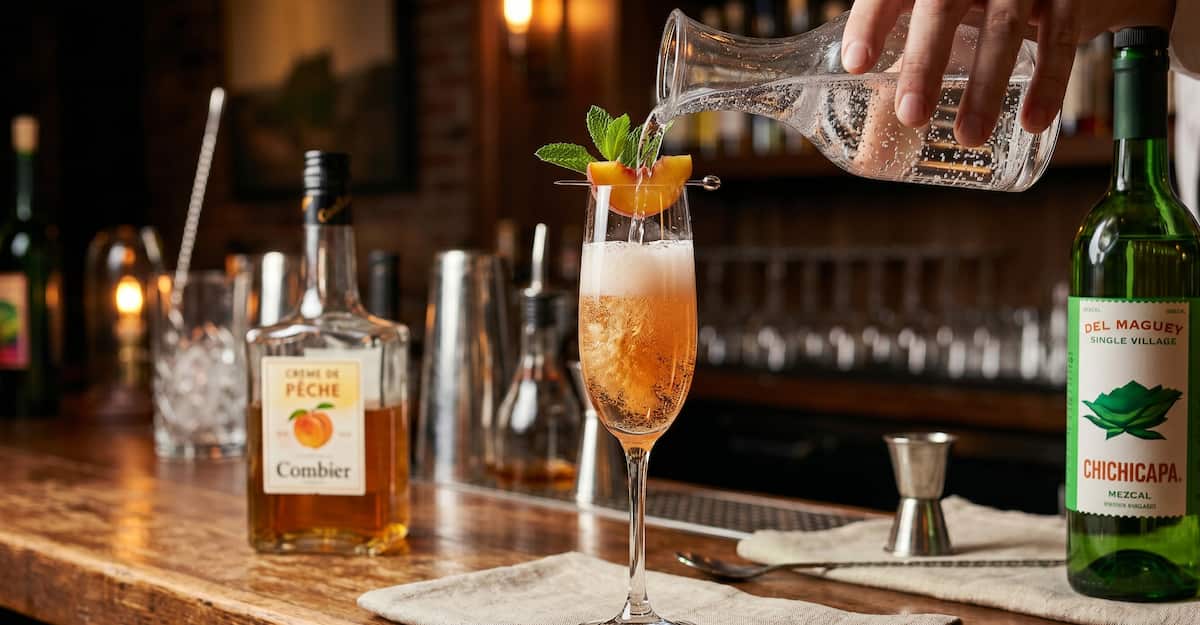
The Chichi Peachy is a sparkling mezcal peach cocktail that does something most peach drinks never try: it keeps the smoke. Where the search results fill up with frozen peach…
The Portrait for Paciano is a stirred mezcal Italicus cocktail built as a liquid tribute to Paciano Cruz Nolasco, the master palenquero who has spent his life distilling Vida de…


