Roasted agave is one of those simple ideas that explains a whole world: take the heart of an agave plant, cook it low and slow, and what starts as tough, starchy fiber turns into something fragrant, sweet, and deeply comforting.
It’s also the origin point for mezcal’s most recognizable notes—smoke, baked fruit, warm caramel—because in many traditional methods, the agave is cooked in an underground roasting pit (an earth oven).
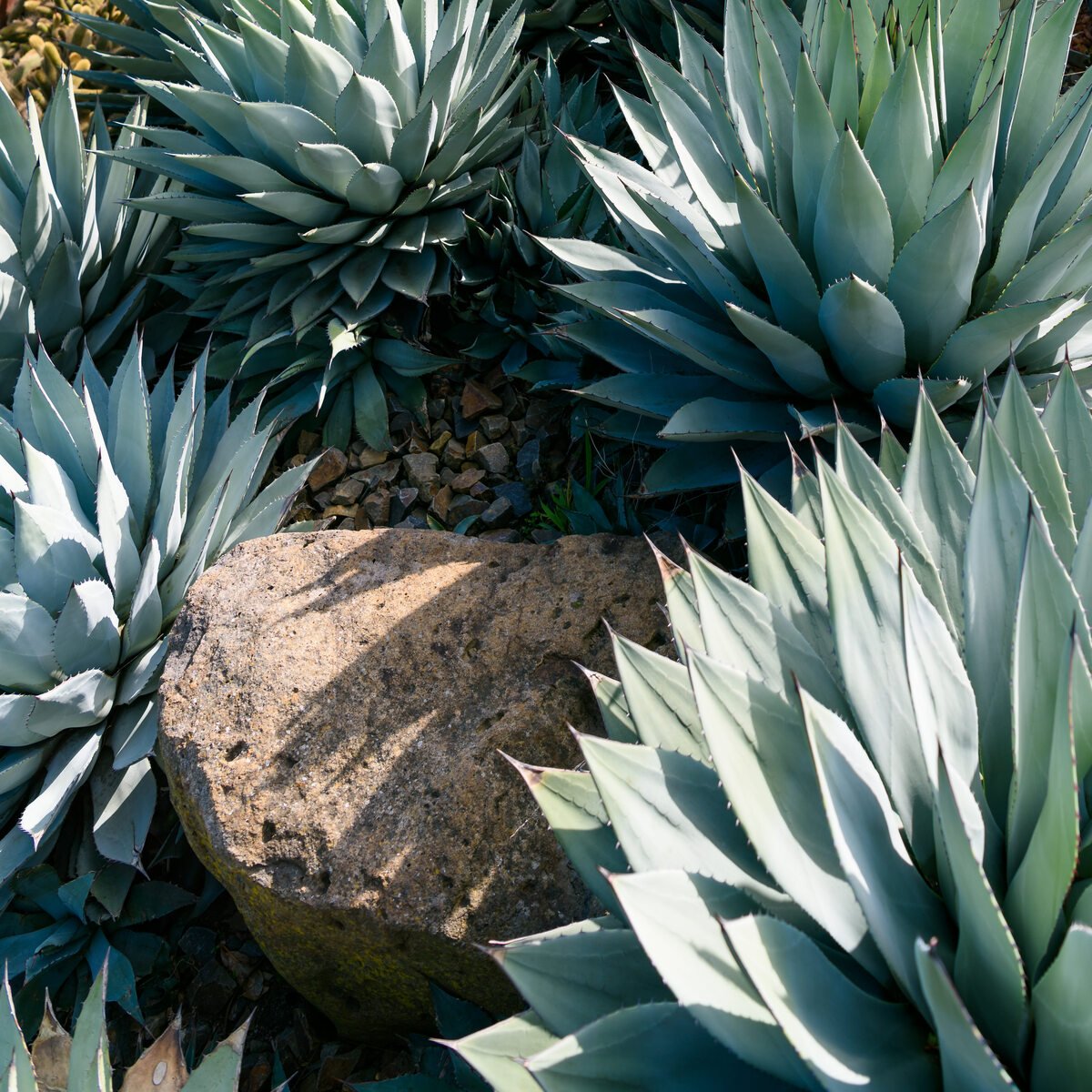
If you’ve ever admired an agave garden on a trip, grown an agave indoor plant by a sunny window, or planted an outdoor agave plant for xeriscaping, you already know the plant looks sculptural and almost indestructible. Roasted agave is the opposite side of that story: what happens when the plant’s stored energy is unlocked through heat, time, and technique.
What Is Roasted Agave?
Roasted agave refers to the cooked agave heart, often called the agave heart (piña) because it resembles a giant pineapple once the leaves are trimmed.
“Roasted” can describe food traditions (where agave hearts are cooked and eaten) and, very commonly, mezcal production (where roasting is the first major step before crushing, fermenting, and distilling).
The key is that roasting isn’t just “heating.” It’s controlled cooking that transforms flavor, aroma, and texture—turning raw plant material into something sweeter, softer, and more aromatic.
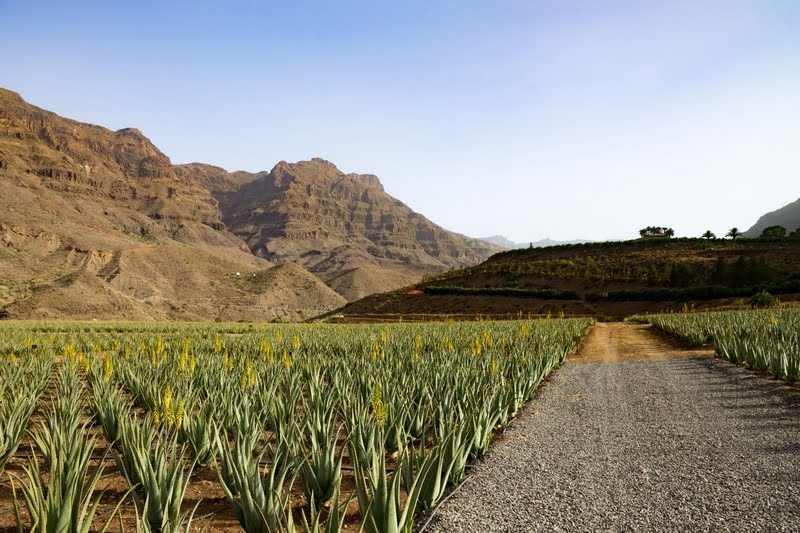
Roasted agave vs raw agave: what changes during cooking
Raw agave is fibrous, watery, and not especially sweet to taste. Most of its energy is stored in complex carbohydrates rather than “ready-to-eat” sugars. When you roast agave, heat breaks down those tougher structures and frees up sweetness and aroma.
That’s why roasted agave can taste surprisingly rich—closer to baked squash, honeyed roots, or dark fruit—while raw agave tastes green, vegetal, and much more neutral.
Agave heart (piña): the part that gets roasted
The agave heart (piña) is the dense core of the plant where sugars are concentrated. Skilled harvesters trim away the spiky leaves to expose the heart, then roast that heart whole or in large sections depending on the tradition.
Because the piña is so dense, roasting takes time. The goal is even cooking all the way through—softening fibers, concentrating flavor, and building the sweet base that later steps will amplify.
“Maguey” and agave: the terminology you’ll see in mezcal and food traditions
In many mezcal regions, you’ll hear “maguey” used interchangeably with “agave.” If you’re reading about traditional roasting pits, earthen ovens, or village mezcal methods, “maguey” is the word you’ll see again and again. It’s a reminder that roasted agave isn’t just an ingredient, it’s a cultural technique tied to place, people, and long-held knowledge.
The Traditional Method: The Roasting Pit (Earth Oven)
A roasting pit is a subterranean oven built below ground so the earth itself helps hold heat. In many traditional approaches, the pit is heated with wood and hot stones, the agave hearts are loaded in, and the whole oven is sealed so the piñas cook slowly and evenly.
This method matters because it doesn’t just cook the plant; it creates an environment where heat, steam, and smoke interact over time, building the signature roasted profile that people associate with mezcal.
Stone-lined pit oven (horno): how heat is built and held
A stone-lined pit oven (horno) uses stones to retain heat and distribute it around the piñas. The stones are heated by a fire, and once they’re hot enough, the pit becomes a thermal battery.
The word “horno” simply points to the idea of an oven, but in this context it often implies something traditional: earth, stone, wood heat, and patience. The stone lining helps the roasting pit stay consistent over long cooks, avoiding the “hot spot” problem that could char one section while leaving another undercooked.
Sealing is not a detail—it’s the technique. Covering the oven helps trap heat and steam, which can soften the fibers more gently and cook the agave heart (piña) through. It also controls how much smoke becomes part of the flavor, because the roast environment can be tuned by how the pit is built, loaded, and sealed.
Roast times and doneness cues: how producers know the piñas are ready
Traditional roasting isn’t a timer-first practice; it’s a sensory one. Doneness is judged by feel, aroma, and texture—whether the fibers pull apart, whether the sweetness has fully developed, whether the roast smells like cooked fruit and warm caramel rather than raw plant and sharp smoke.
The point is consistency: a fully roasted piña should be evenly cooked, sweet, and ready for what comes next.
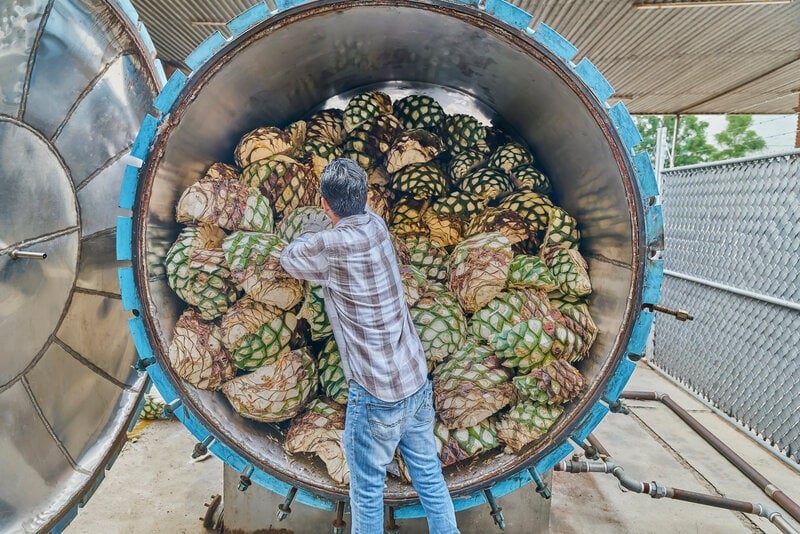
Step-by-Step Overview: Roasting Agave in an Earth Oven
Harvest begins with choosing mature plants and trimming away leaves to expose the heart. The piñas are then prepared for roasting—often left whole or cut to fit the roasting pit and cook evenly.
For readers coming from plant-care queries like agave indoor plant or outdoor agave plant: the agaves used for roasting are typically cultivated and harvested with a specific end use in mind, and maturity matters. A decorative agave in a pot is not the same thing as a mature maguey harvested for roasting.
Building heat: coals, hot stones, and temperature control basics
In an earth oven, heat usually comes from a wood fire that heats stones and the pit environment. Once the stones are hot, the pit becomes a controlled roasting chamber. The goal is stable heat—enough to cook the dense piñas over time without burning them on the outside.
Loading the pit: stacking, spacing, and moisture management
Loading is about airflow and contact. Stack too tightly and you risk uneven cooking; leave the wrong gaps and heat can behave unpredictably. Many traditional methods also rely on moisture and steam captured by the sealed pit to cook the piñas thoroughly.
Uncovering and resting: why cooling matters before handling or crushing
Once roasted, the agave hearts are incredibly hot and soft. Resting allows heat to equalize and makes handling safer. In mezcal production, resting also helps set up the next step: crushing or shredding the cooked fibers to release fermentable material.
Roasted Agave in Mezcal (and How It’s Different From Cooking for Food)
In mezcal production, roasted agave is the starting line. After roasting, the cooked piñas are crushed, mixed with water, fermented, and then distilled—steps that convert the sweetness created in roasting into aroma and spirit.
This is why “roasted agave” is so central to mezcal’s identity: if the roast is clean, balanced, and even, the rest of the process has a strong foundation.
Earth ovens and roasting pits tend to create deeper roast character, often with smoky and earthy notes depending on the technique. Above-ground ovens can cook agave effectively too, but the aromatic signature often changes—less earth-driven, sometimes cleaner, sometimes more straightforward.
Neither is “automatically better,” but they are different. If you’re exploring mezcal for the first time, noticing which cooking method was used is one of the fastest ways to understand why two bottles can taste so distinct.
Roast is where:
- Smoke can be introduced (subtle to bold).
- Baked fruit character can develop (think roasted pineapple, ripe pear, or stewed stone fruit).
- Earthy notes can appear (warm soil, minerals, roasted roots).
- Spice can emerge (cinnamon-like warmth, peppery edges).
These notes don’t come from additives, they’re an outcome of how the agave heart (piña) is cooked, then carried forward through fermentation and distillation.
Flavor Profile: What Roasted Agave Tastes Like
Roasted agave sweetness can feel:
- Honeyed and floral when the roast is gentle and clean
- Caramel-forward when the roast runs deeper
- Fruit-driven when the cooked agave reads like baked pineapple or poached pear
- Earthy when mineral and soil-like notes show up alongside the sweetness
Smoke is not a single flavor, it’s a range. At one end you’ll get a gentle toasted note, like warm hearth air. At the other end, you’ll get a more pronounced campfire character. The roasting pit method, wood choice, pit depth, and sealing all influence where a mezcal lands on this spectrum.
If you’re looking for a roasted profile that’s nuanced rather than overwhelming, try tasting across expressions rather than judging mezcal by one bottle.
Roasted agave can feel:
- Fibrous and rustic when roast and milling highlight structure
- Jammy when the sweetness reads concentrated and fruit-like
- Syrupy in aroma (not literally sweet) when caramelized sugars dominate the profile
This mouthfeel experience is a clue to roast style and a fun detail to notice when tasting side by side.
Del Maguey: How Roasting Fits Into Our Mezcal Process
For Del Maguey, roasting is not a background detail—it’s where mezcal’s character starts. Roasting maguey hearts (piñas) is the stage that develops the deep, roasted agave foundation that later becomes aroma, texture, and balance in the final spirit.
If you want a fuller view of how these steps connect from plant to bottle, Del Maguey’s own process guides are worth exploring.
Across traditional mezcal methods, the pit oven/earth oven approach is built for slow transformation: heat, time, and a sealed environment that coaxes sweetness and complexity from the piña. That’s the heart of why roasted agave tastes like roasted agave—why it can read as baked fruit, warm caramel, and gentle smoke rather than raw green plant.
Roasting is what gives mezcal its most iconic contrasts: sweetness plus smoke, fruit plus earth, depth plus lift. If you’d like to explore those roasted agave notes through specific bottles, here are a few natural places to start—each with its own angle on roast character:
- Vida Collection: a gateway into the style, built around Espadín expressions
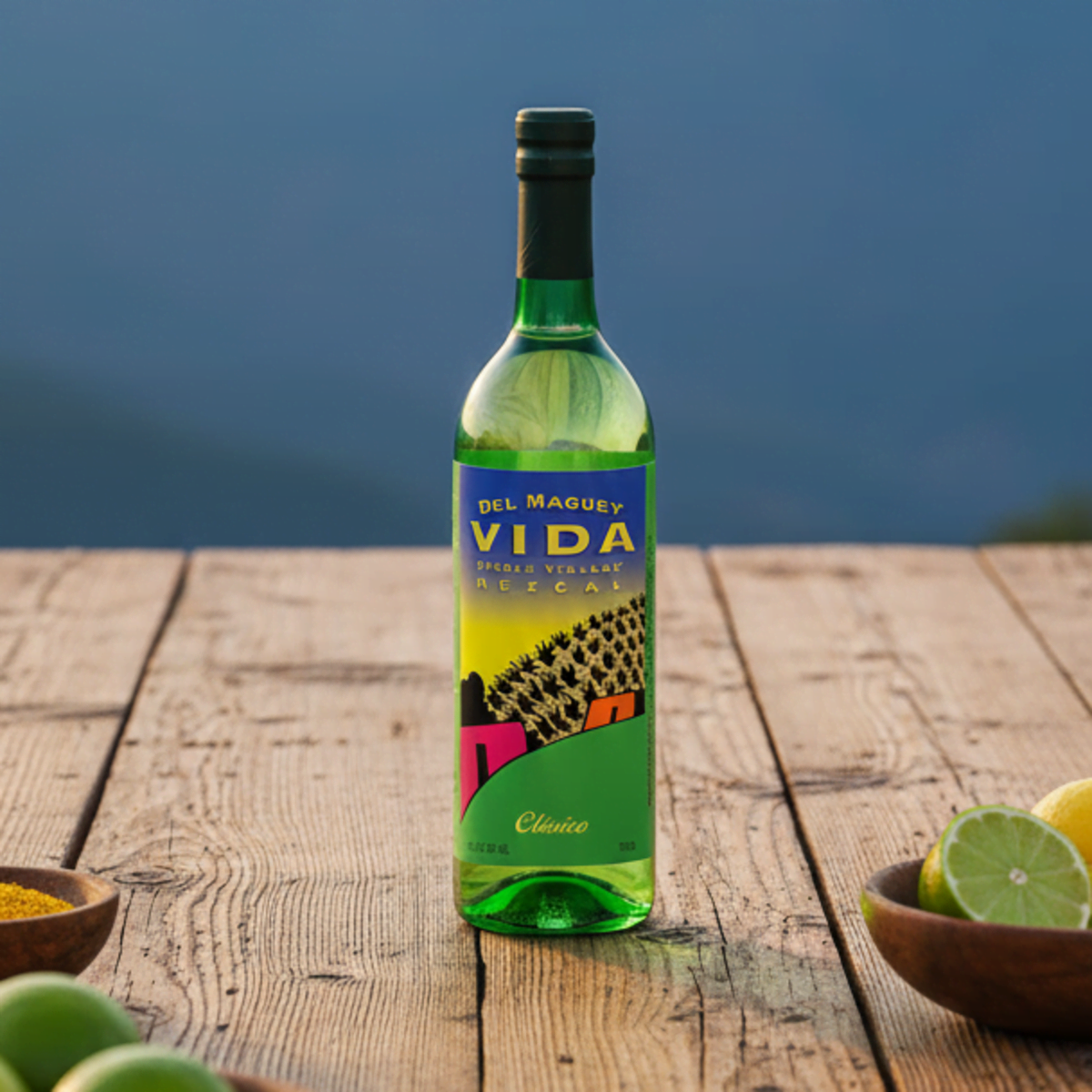
- Vida Clásico: a versatile expression for cocktails that still keeps roasted agave at the center
- Chichicapa: a widely recognized classic for tasting roasted agave with balance and structure
- Tobalá: a more singular, story-rich expression that highlights how agave variety and place shape the roast
A bartender’s tip for tasting: try the same simple serve across two expressions—like a small pour neat followed by a mezcal-and-citrus highball—so you can notice how the roasting pit signature shows up as sweetness, smoke level, and fruit tone, without too many other ingredients getting in the way.